
一封侨批,连通山海两端。
看完《给阿嫲的情书》才懂,
阿嫲等的从不是一封信,
是远在南洋的归期,
是潮汕华侨刻在骨里的家国深情。
若你想读懂这份跨越岁月的牵挂,
一定要读读这本《潮汕华侨史》。

01
内容梗概
《潮汕华侨史》是国内首部系统论述潮汕籍海外华侨华人的通史,由潮学学者李宏新撰写。全书43万字,从远古海交时代写到1949年,完整梳理了潮人下南洋的脉络,也写尽了潮侨的血泪与荣光。

时间线上,溯西汉海上丝绸之路的早期通商,下迄新中国成立,覆盖了潮人出洋的萌芽、发展、鼎盛全阶段。
内容线分为三大部分——出洋移民史、海外潮人社会概况、华侨与故土的联结,不仅写了他们如何“闯南洋”,更写了他们如何“守故土”。
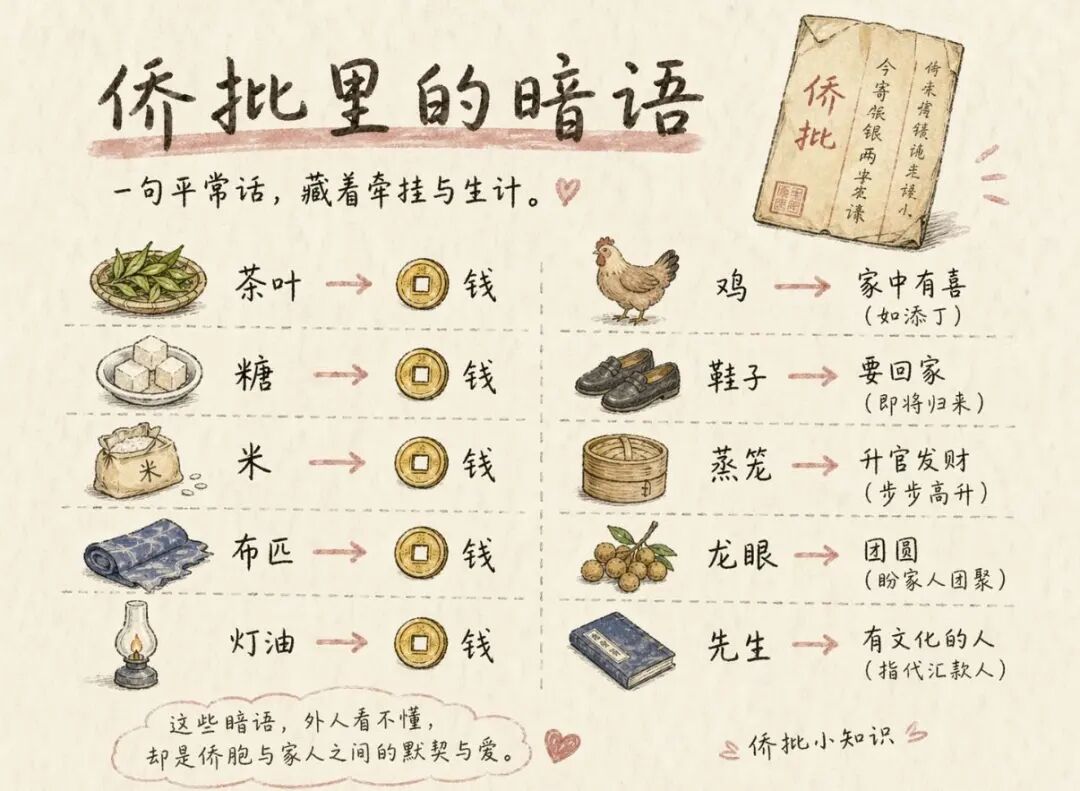
• 特别之处:它打破了以往对潮侨的片面认知,既记录了华工被当作“猪仔”贩卖的惨烈,也还原了潮商在东南亚建立商贸网络、传承潮汕文化的坚韧,更收录了大量侨批、口述史料,让这段历史有血有肉。
02
是《给阿嫲的情书》的“灵魂注解”
电影里的侨批,是阿嫲一生的等待;而这本书里的潮侨故事,是侨批背后最真实的底色。
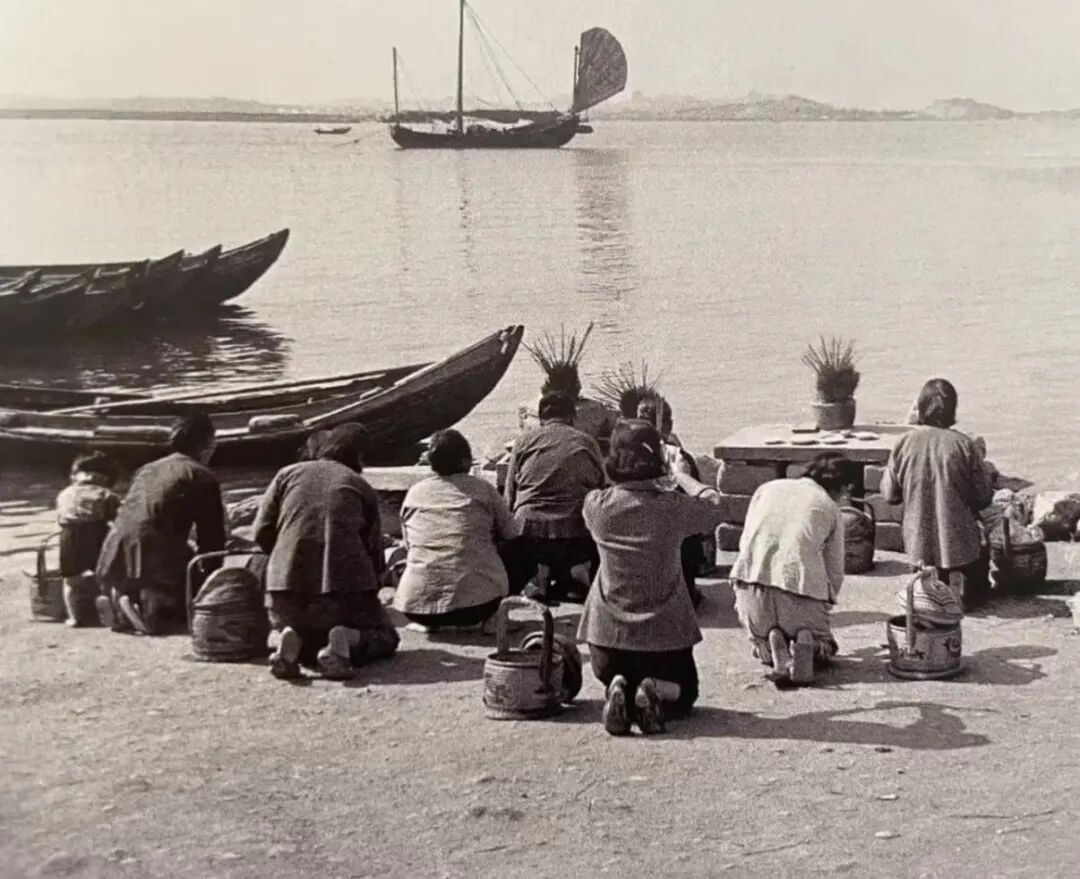
• 它写尽了“过番”的无奈:红头船驶过七洲洋,回头不见家乡路,无数潮人抱着“赚了钱就回家”的念想,踏上九死一生的航程。
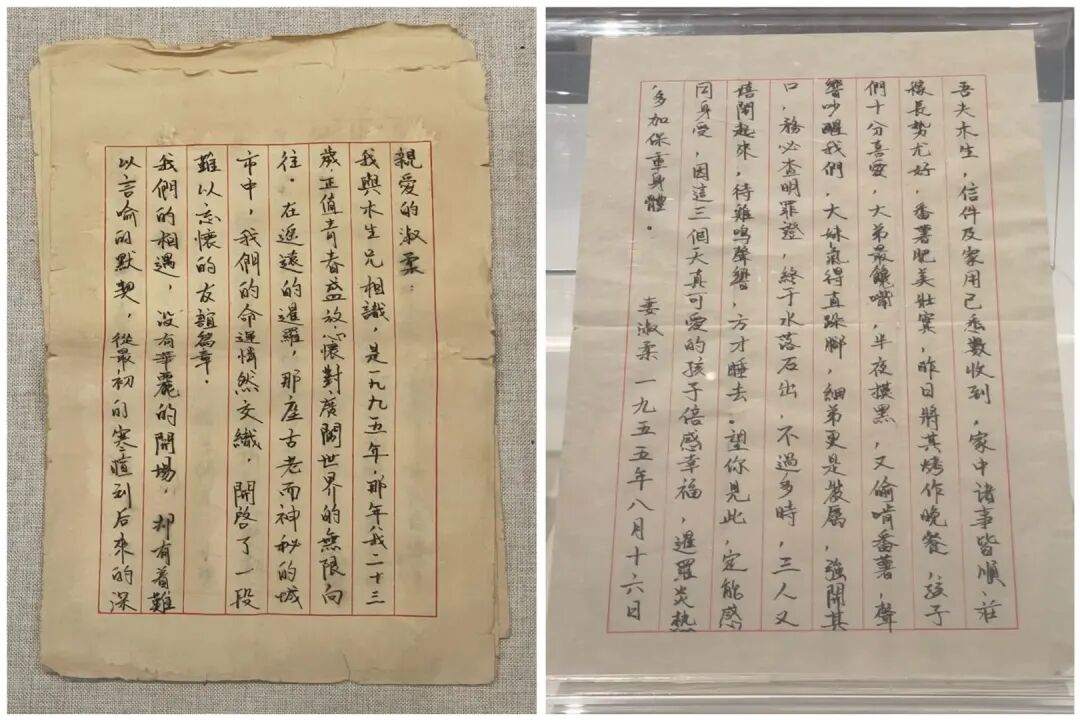
• 它写透了侨批的重量:“人在银二”四个字,藏着潮侨最朴素的信义——只要我还活着,就一定会寄钱回家;只要信到了,家人就知道我还在。
• 它写出了潮侨的家国情怀:抗战时期,潮侨捐款捐物、支援祖国;和平年代,他们寄钱修桥铺路、办学校、建医院,把血汗钱变成了故土的烟火气。
03
潮汕侨文化的核心金句
• “有潮水的地方,就有潮汕人;有潮汕人的地方,就有侨批。”
• “一纸侨批,半世乡愁,万两黄金,不及一封家书。”
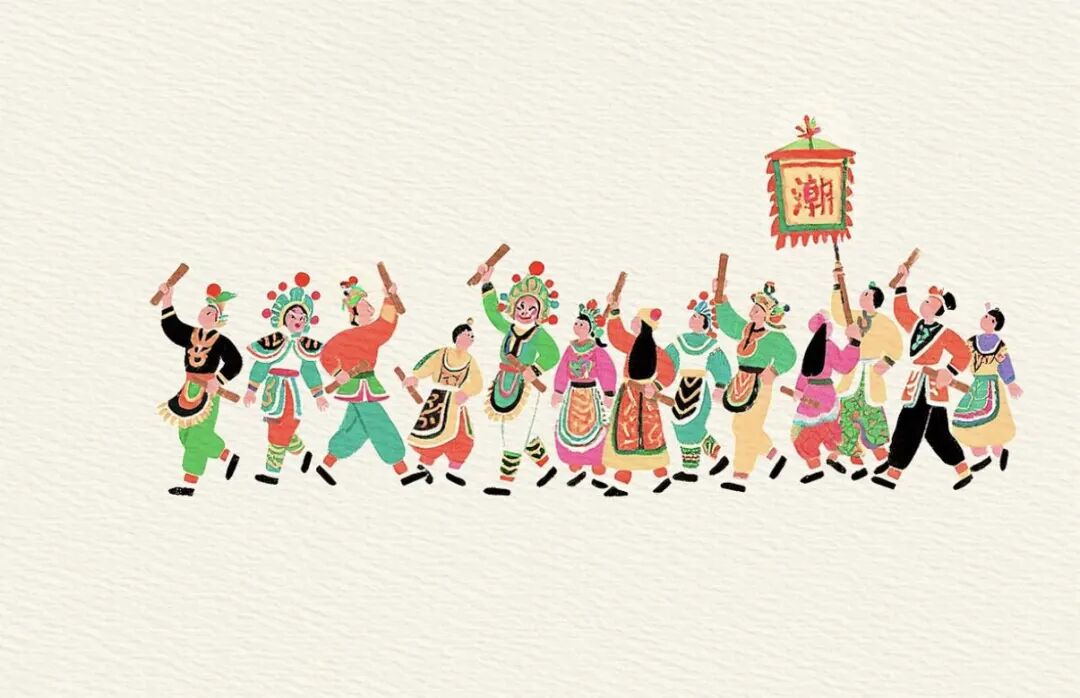
• “三江出海,一纸还乡。”(饶宗颐为潮商名贤祠题的楹联,完美概括了潮侨的一生)
• “潮侨的根,从来都在潮汕;他们的闯,从来都是为了回家。”
• “他们带着潮汕的风,闯过了南洋的浪;也带着南洋的月,照亮了故土的窗。”

想真正看懂《给阿嫲的情书》?
先读《潮汕华侨史》。
这里有侨批的起源、下南洋的故事、
潮侨的家国情怀,
每一页都藏着潮汕人跨越山海的深情。
在掌阅iReader翻开这本书,
读懂阿嫲等待的意义。












A letter from abroad, connecting mountain and sea.
Only after watching “A Letter to Grandma” do I understand
that Grandma never waited for a letter
but for the day overseas relatives return
and the deep-rooted love for homeland and nation by the Chaozhou emigrants.
If you want to understand this cross-temporal concern,
you must read this “History of Chaozhou Emigrants”.
01
Contents Summary
The “History of Chaozhou Emigrants” is the first comprehensive history in China to describe the overseas Chinese and their descendants from Chaozhou. Written by the Chao scholar Li Hongxin, the book spans 430,000 characters, covering the period from the ancient maritime trade era to 1949. It traces the entire trajectory of the Chao people migrating to Nanyang, detailing the blood, sweat, and glory of the emigrants.
In terms of timeline, it explores from the early commercial routes of the Western Han Dynasty’s Silk Road to the establishment of the New China, covering the inception, development, and peak of Chaozhou emigration.
The content is divided into three main parts — the history of emigration, the social overview of overseas Chao communities, and the connection between the emigrants and their homeland. It not only writes about “breaking into Nanyang” but also how they “guarded the homeland”.
• Special Feature: It breaks the one-sided perception of Chaozhou emigrants, recording both the tragic “pig-tail” trade of Chinese workers and the resilience of Chao merchants who established trade networks and preserved Chaozhou culture in Southeast Asia. It also includes a wealth of letters from abroad and oral histories, giving flesh and blood to this history.
02
“Soul Annotation” for “A Letter to Grandma”
The “letters from abroad” in the movie represent Grandma’s lifelong wait; the true hue behind these letters lies in the stories of Chaozhou emigrants in this book.
• It captures the helplessness of “crossing the river”: The red-tipped boat sailed over the Seven Islands Sea, with no sight of home; countless Chao people embarked on a perilous journey with the hope of returning after making money.
• It reveals the weight of the letters: The four words “I’m alive, send money” carry the most sincere promise — as long as I’m alive, I will send money home; as long as the letter arrives, the family knows I’m still alive.
• It portrays the patriotism of the emigrants: During the war of resistance, the Chaozhou emigrants donated generously; in peacetime, they used their earnings to build bridges, roads, schools, and hospitals, transforming blood sweat into the vitality of the homeland.
03
Core Tenets of Chaozhou Emigrant Culture
• “Where there are waves, there are Chaozhou people; where there are Chaozhou people, there are letters from abroad.”
• “A single letter carries half a lifetime of nostalgia, worth more than ten thousand taels of gold cannot replace a family letter.”
• “Three rivers pour into the sea, a single letter returns home.” (a couplet written by Rao Zongyi for the Chao merchant hall of fame, perfectly summarizing the life of an emigrant)
• “The roots of the Chao emigrants are always in Chaozhou; their struggles are always for returning home.”
• “They carry the wind of Chaozhou and traverse the waves of Nanyang; they bring back the moon of Nanyang to illuminate the windows of their homeland.”
Want to truly understand “A Letter to Grandma”?
Read “History of Chaozhou Emigrants” first.
Here lies the origin of the letters, the story of venturing to Nanyang,
and the patriotism of the Chao emigrants,
each page bearing the deep affection crossing mountains and seas.
Open this book on Palm Reader iReader,
to comprehend the meaning of Grandma’s wait.
Original link: https://mp.weixin.qq.com/s/lgSJBIJURwTXcU2uJEDS7Q