

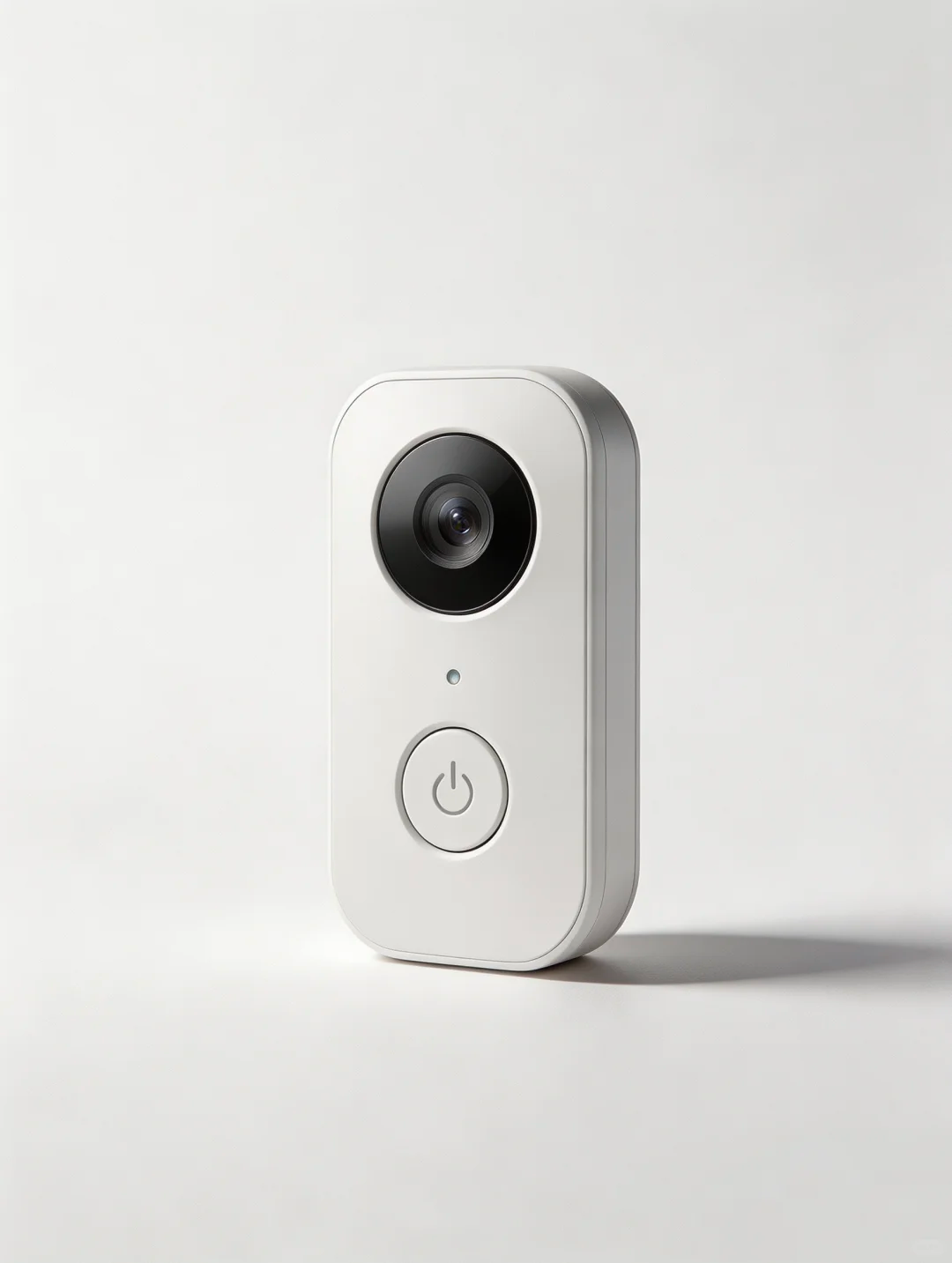
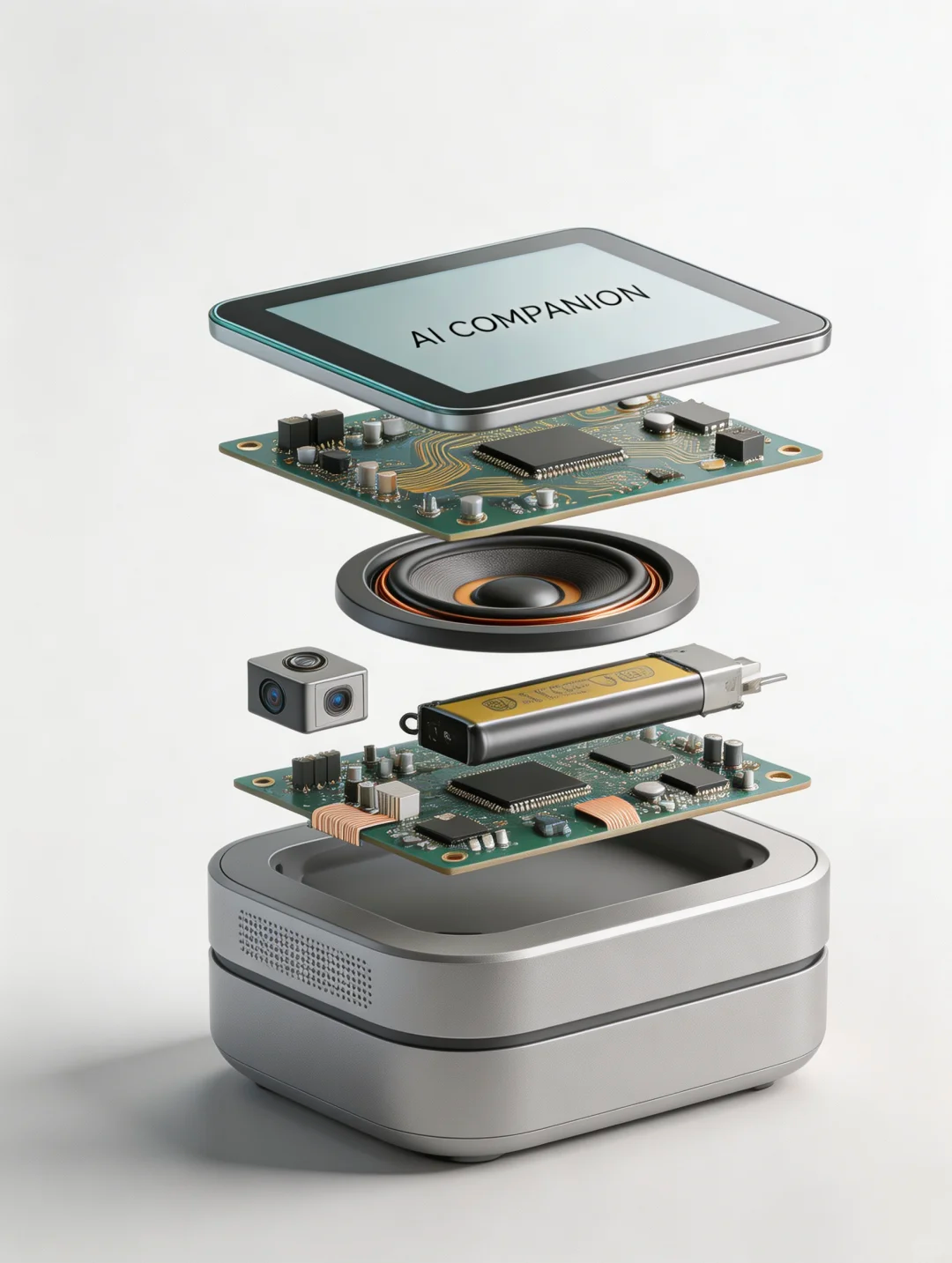
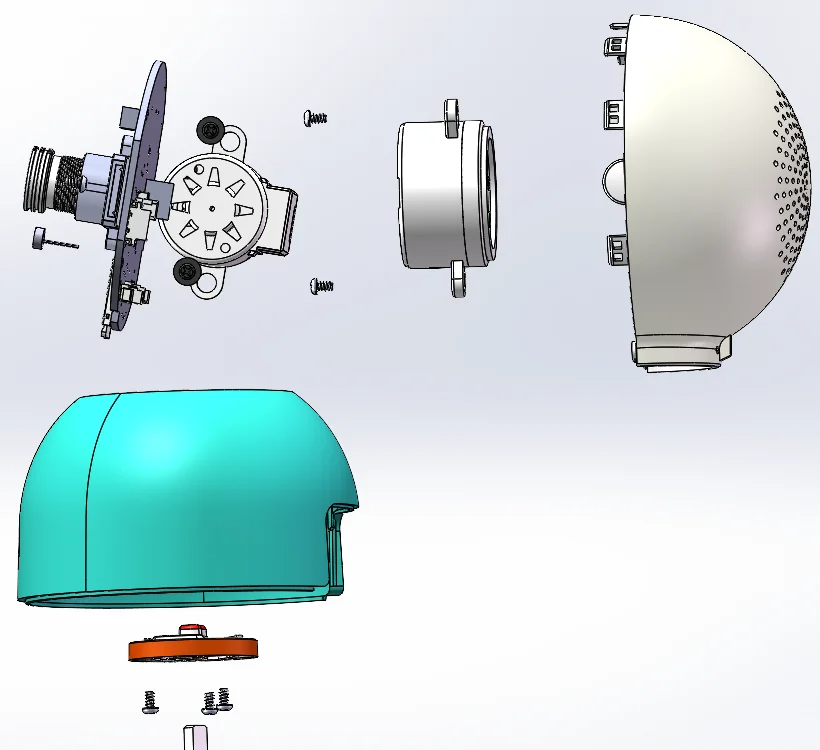
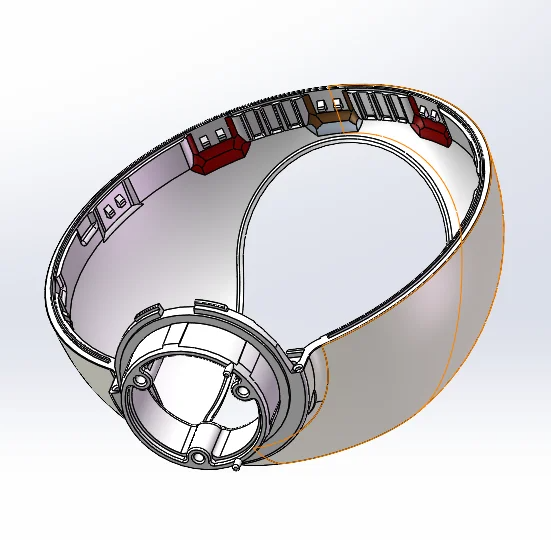
The correct start-up sequence for consumer electronics (industry standard): 1. Product definition → 2. Structure first → 3. ID synchronization/follow-up → 4. Hardware final settlement One-sentence summary: Structure determines the skeleton, ID determines the skin, and hardware fills the flesh.
Structural engineers must be the first to get to work You have to decide: - How the internal space is arranged - Main board size, battery location, speaker, camera, interface - Assembly method, screws, snaps, strength, waterproof - Mold feasibility, cost, mass production risk Without structure, ID is a castle in the air, and hardware has nowhere to go.
ID (exterior) synchronization or close follow-up structure It's not waiting for the structure to be fully done, but: - Structure to produce the first version of 3D - ID based on this spatial boundary to make the appearance - Both parties iterate repeatedly until the appearance and interior are satisfied ID cannot be drawn out of thin air, it must be put in the structure space.
Hardware (PCB/circuit) finalized later Hardware to wait: - Structure to determine internal net space - ID determines the position of openings, buttons, and interfaces Hardware can then: - Determine board thickness and shape - Layout components - Output Gerber prototype Hardware consumes money as soon as it starts, and must be locked in at the end.
IV. Who should "break ground" first? Structural engineer = total project precursor You come from a structural background, so you fully understand: The structure is the core hub connecting ID, hardware, molds, and mass production
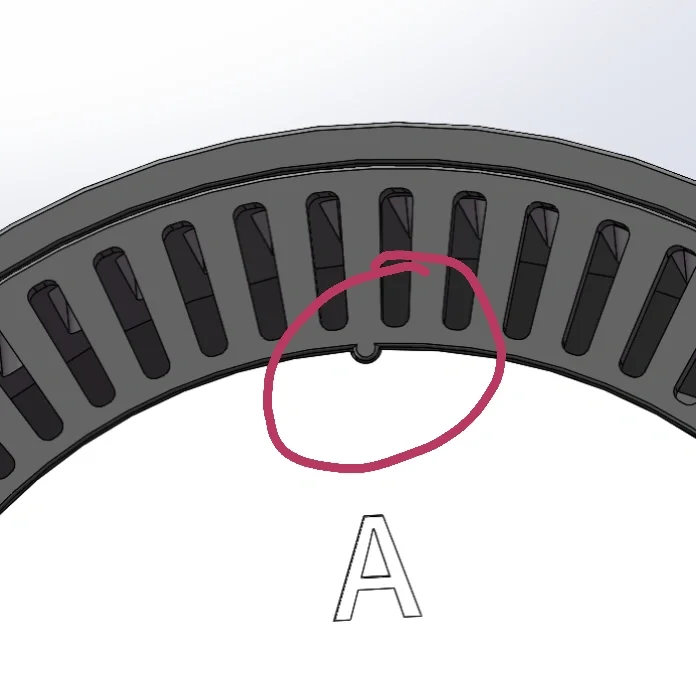
Not implementing poke-yoke in the structure = laying a landmine
A mature structural engineer will build anti-fooling into the bones of the design: impossible to misinstall, impossible to reverse, impossible to omit, impossible to insert backwards. This is the core of stable mass production, high yield, and zero customer complaints!
What is structural poke-yoke? Poka-Yoke: Make errors "impossible" No need to read drawings, no need to check orientation, no need to teach the production line. Foolproof assembly: any way you install it, it can only be correct.