
原文链接:https://mp.weixin.qq.com/s/CiWvpmB1nrTsSC6EbHA_cw
在我的门诊中,经常有家长忧心忡忡地问我:
“医生,孩子整天不是看手机平板,就是看书,到底看哪个更伤眼睛?我们该怎么选?”
这确实是一个关乎我们每个人,
尤其是青少年视觉健康的常见问题。
我们就从预防近视这个大家最关心的角度,
来深入探讨一下:
看屏幕和纸质书,究竟哪一个更好?
结论先行:
如果单纯从“媒介”本身来看,
在同等阅读时长、光照和阅读习惯下,
优质的纸质书在近视防控方面,
确实比电子屏幕有微弱的先天优势。
但是,问题的关键往往不在于“看什么”,
而在于 “怎么看”。
下面,我来为大家详细解释这背后的原因。
一、近视的“催化剂”:
近距离、长时间用眼首先,我们必须理解近视发生和发展的一个核心机制:持续性的近距离用眼。
当我们长时间盯着近处的东西(无论是屏幕还是书本),眼睛里的睫状肌会持续收缩、处于紧张状态,就像一根弹簧一直被拉着。

久而久之,就会引发“调节痉挛”,导致眼轴变长,从而形成或加深近视。
在这个根本问题上,屏幕和纸质书是“难兄难弟”。
它们都要求我们进行近距离的视觉工作。
二、纸质书的优势与隐患优势在于:
1. 视标更稳定: 纸质书是反射外界光线,文字和图案本身不发光、不闪烁,视觉刺激相对稳定,不易引起额外的视疲劳。
2. 对比度适中: 好的纸质书,墨迹清晰,纸张柔和,对比度恰到好处,易于辨识。
3. 没有蓝光困扰: 虽然自然光中也存在蓝光,但纸质书反射的蓝光强度远低于电子屏幕的自发光,对视网膜的潜在光化学损伤风险极小。
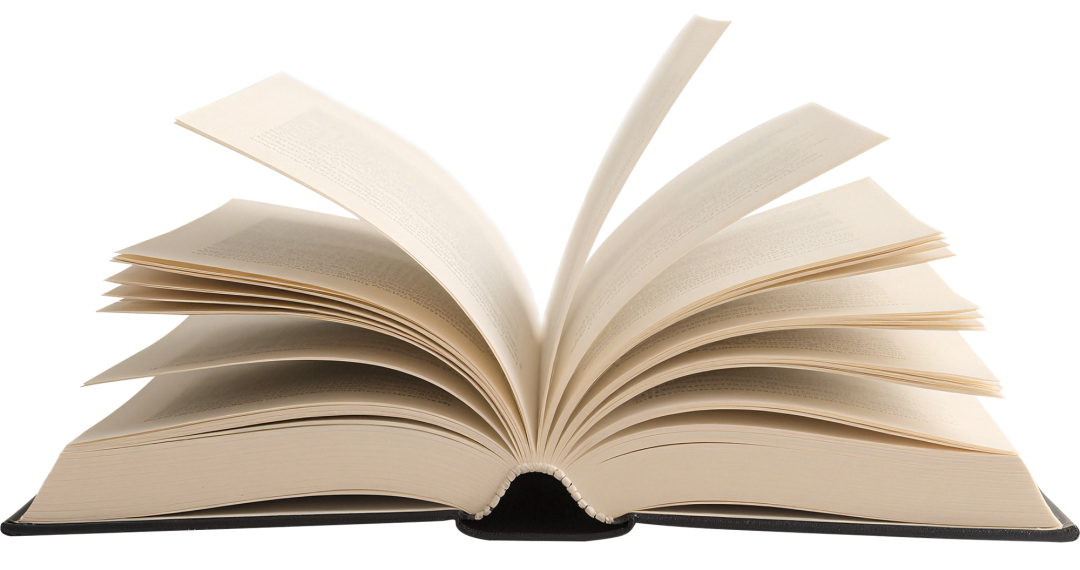
⚠️纸质书最大的问题在于,它太“方便”了,容易让人沉浸其中,一读就是几个小时,完全忘记了时间。这种长时间的、不间断的近距离用眼,是诱发近视最直接、最强大的因素。
所以,不要以为看书就绝对安全,
如果方式不对,它同样是近视的“帮凶”。
三、电子屏幕的“原罪”与挑战挑战在于:
1. 视觉终端综合征(CVS): 屏幕是自发光的,存在肉眼难以察觉的频闪和高能短波蓝光。为了看清不断刷新、亮度较高的像素点,我们的眼部肌肉需要付出更多的努力,更容易导致干眼、酸胀和视疲劳。这种加重的疲劳感,可能会加剧近视的进展。
2. 诱惑性更强: 电子设备,尤其是手机和平板,充满了各种通知、游戏和视频,极大地吸引了我们的注意力,使得持续阅读时间无意中被拉长,且眨眼频率显著降低,加剧了干眼和视觉负担。
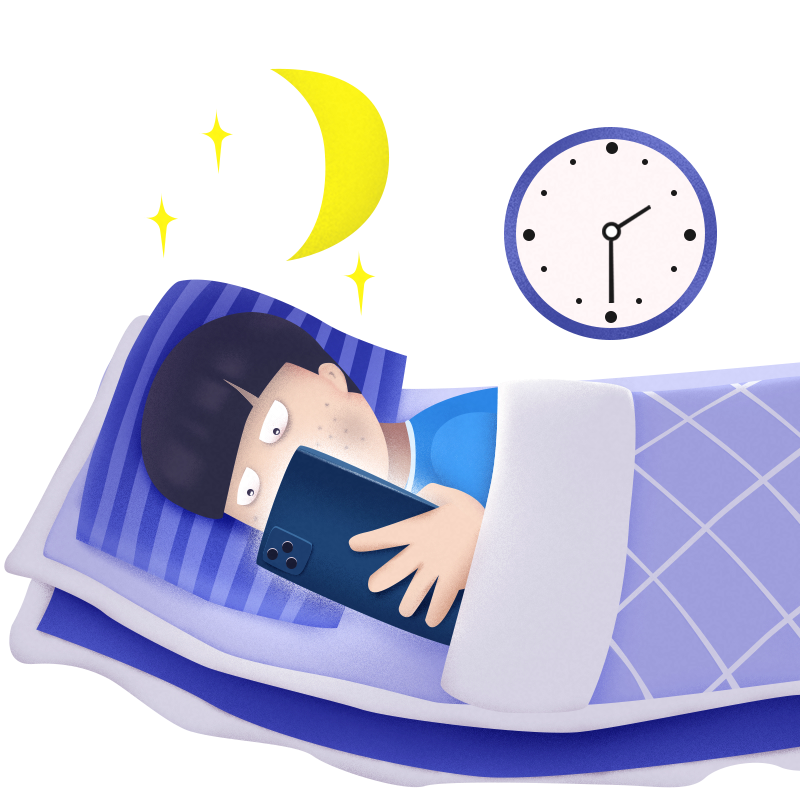
3. 距离与姿势: 人们使用手机和平板时,往往在更近的距离、更别扭的姿势下使用(比如躺着、趴着),这比端坐在书桌前看书,对眼睛的负担更大。
Original link: https://mp.weixin.qq.com/s/CiWvpmB1nrTsSC6EbHA_cw
In my clinic, parents often ask me with concern:
"Doctor, the child is either looking at a phone or tablet, or reading a book. Which one is worse for the eyes? What should we choose?"
This is indeed a common question that relates to the visual health of all of us, especially adolescents.
We will explore this from the perspective of preventing myopia, which is everyone's primary concern.
Is looking at screens or paper books better?
Conclusion:
If we compare the "media" themselves,
under equal reading duration, lighting conditions, and reading habits,
high-quality paper books do have a slight natural advantage over electronic screens in terms of myopia prevention.
However, the real issue is not "what" you read, but "how" you read it.
Here is a detailed explanation of the reasons behind this.
I. The "Catalyst" for Myopia:
Close-range, Long-duration Eye Use The core mechanism for the onset and progression of myopia is chronic, close-range visual work.
When we stare at something close (be it a screen or a book) for extended periods, the ciliary muscles in our eyes are constantly contracted and tense, like a stretched spring.
This persistent tension can lead to "accommodation spasm," which causes the eye axis to lengthen, resulting in myopia.
In this fundamental sense, screens and paper books are equally problematic.
Both require us to maintain a short working distance.
1. Stable Target: Paper books reflect ambient light and do not emit their own light or flicker, providing a more stable visual stimulus that is less likely to cause eye fatigue.
2. Moderate Contrast: A well-printed book has clear ink with a comfortable contrast ratio, making it easy to read without straining the eyes.
3. No Blue Light Concerns: While natural light contains some blue light, the amount reflected by paper is negligible compared to the high-energy emissions of electronic screens, greatly reducing the risk of phototoxic damage to the retina.
⚠️The main drawback of paper books is their "accessibility." It is very easy to get lost in a good book for hours, completely forgetting to take a break. This uninterrupted, long-duration close-range reading is one of the most direct causes of myopia. Therefore, reading a book is not inherently safe if done improperly; it can still be a "culprit" for poor vision.
III. The "Sins" and Challenges of Electronic ScreensChallenges:
1. Computer Vision Syndrome (CVS): Screens emit their own light and may exhibit subpixel flickering. The high brightness and rapid changes in pixel intensity force the eye to work harder to resolve the image, leading to dry eyes, tension, and fatigue. This increased fatigue can accelerate the development of myopia.
3. Distance and Posture: People tend to hold their devices closer to their faces and adopt more relaxed or awkward postures (like lying down or bending over) than they would for a book, which further increases the strain on the eye muscles.
If done incorrectly, it can equally be an accomplice to myopia.
III. The "Original Sin" and Challenges of Electronic Screens The challenge lies in:
1. Computer Vision Syndrome (CVS): Screens are self-luminous and exhibit imperceptible flickering and high-energy short-wave blue light. To clearly resolve the constantly refreshing, high-contrast pixels, our eye muscles must work harder, making them more susceptible to dry eye, soreness, and visual fatigue. This increased fatigue may accelerate the progression of myopia.
2. Greater Temptation: Electronic devices, particularly smartphones and tablets, are laden with notifications, games, and videos that irresistibly capture our attention. This often leads to unintentionally prolonged reading sessions and a significant decrease in blink rate, exacerbating dry eyes and visual strain.
3. Distance and Posture: Users typically hold smartphones and tablets at a much closer distance and in less-than-ideal postures (e.g., lying down or hunched over) compared to sitting upright at a desk to read a book, further increasing the burden on the eyes.