

在信息繁杂、人心浮躁的当下,一本好书,就是一份清醒、一份底气,他推荐的这10本书,有对时代的理解,有对自我的打磨,有认知升级,也有内心安顿。
帮我们快速抓住核心,少走弯路,在阅读中看清方向、积蓄力量,用文字抵御焦虑,用思考照亮生活。书单如下:
1. 《金瓯缺》(全四卷)
作者:徐兴业
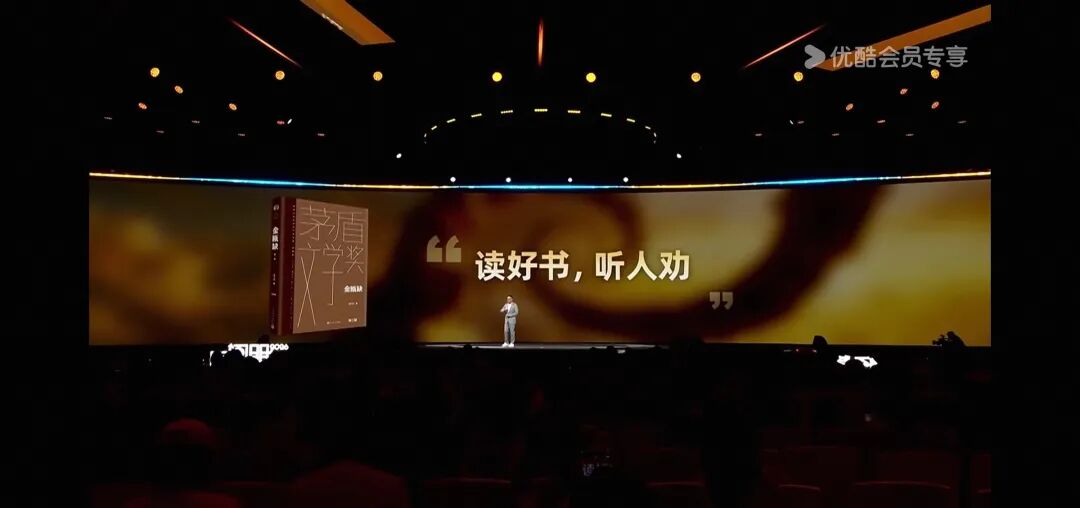
茅盾文学奖获奖历史小说,以北宋末年“靖康之变”为背景,在宏大历史变局中读懂个体命运沉浮与家国情怀,帮我们在不确定的时代找准心理坐标。马伯庸多次推荐,历史系常作课外必读书 。
罗振宇推荐理由:“听人劝,读好书。受马伯庸力荐,这本书能让我们在时代巨变的焦虑中,找到历史沉淀的定力,看透个人与时代的同频共振。”
2. 《叙事经济学》
作者:[美] 罗伯特·希勒
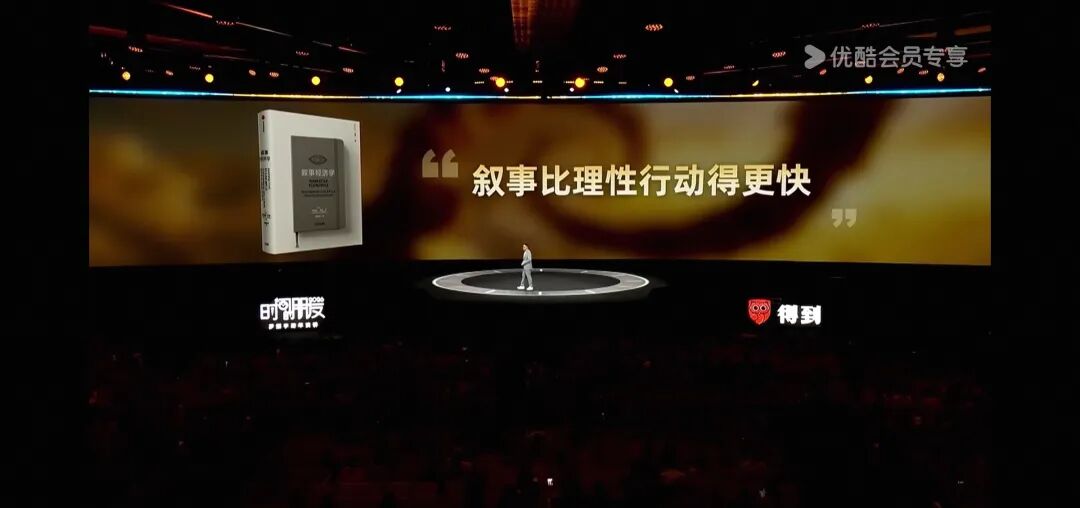
关键词:故事驱动、认知话语权、经济学
诺贝尔经济学奖得主著作,研究“故事”如何像病毒一样传播、并驱动经济波动来影响市场、抉择与选择(如房地产泡沫),揭示叙事比事实更具经济影响力,帮我们看懂舆论与经济的底层逻辑。
罗振宇说:“叙事的力量往往比事实更重要。AI能处理数据,但创造不出驱动经济的‘好故事’,这是掌握AI时代‘认知话语权’的开山之作。”
3. 《于是一片光明》
作者:汪有
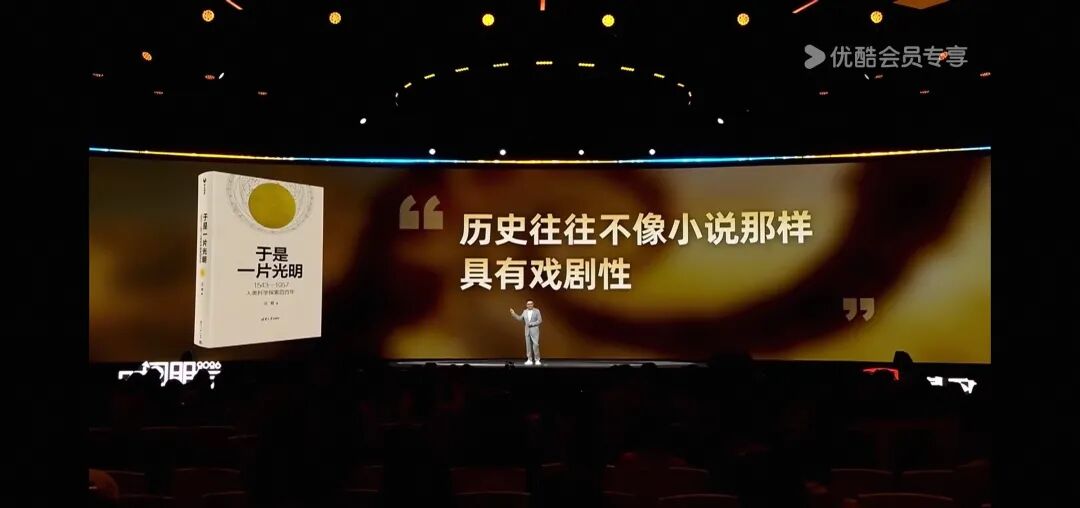
关键词:科学累积、理性之光、长期主义
科学史著作,回顾1543-1957年人类科学探索四百年,打破“天才横空出世”的神话,强调科学进步是无数人累积协作的必然结果,对抗焦虑,理解长期积累的力量。
罗振宇说:“世界不是被某个人点亮的,而是积累的必然。这本书帮我们在AI创新的喧嚣中,找准自己‘日拱一卒’的位置,拒绝速成焦虑。”
4. 《偶遇》
作者:巫鸿
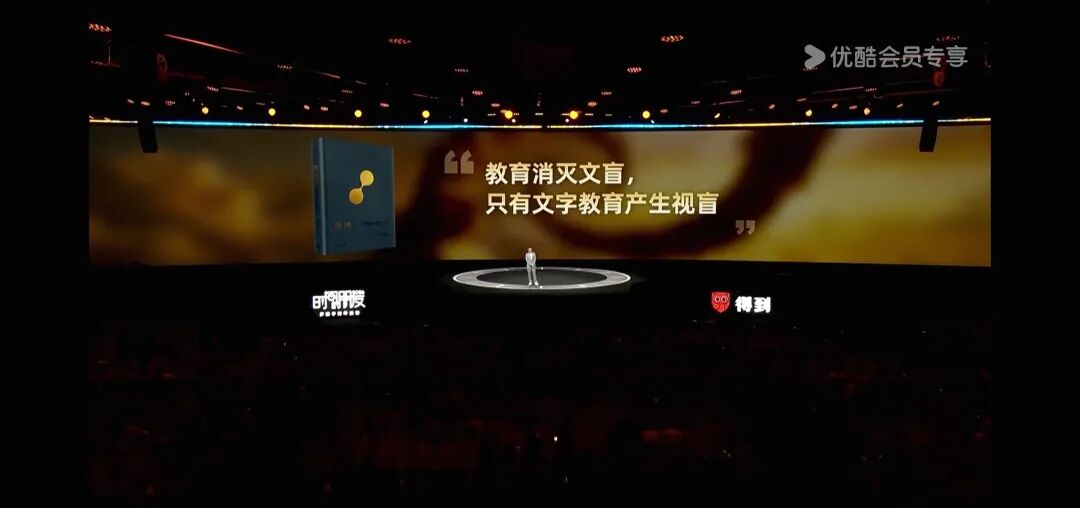
关键词:视觉感知、艺术史、读图能力
艺术史大家的漫游随笔。通过“读图”训练,教人如何在与艺术品、建筑、日常景象的“偶遇”中,重建视觉感知力,训练视觉素养与审美感知。
罗振宇说:“我们摆脱了文字文盲,却可能成了‘视盲’,在AI图像大爆炸的时代,巫鸿教我们‘用眼睛看东西’,这是AI难以替代的感知力。”
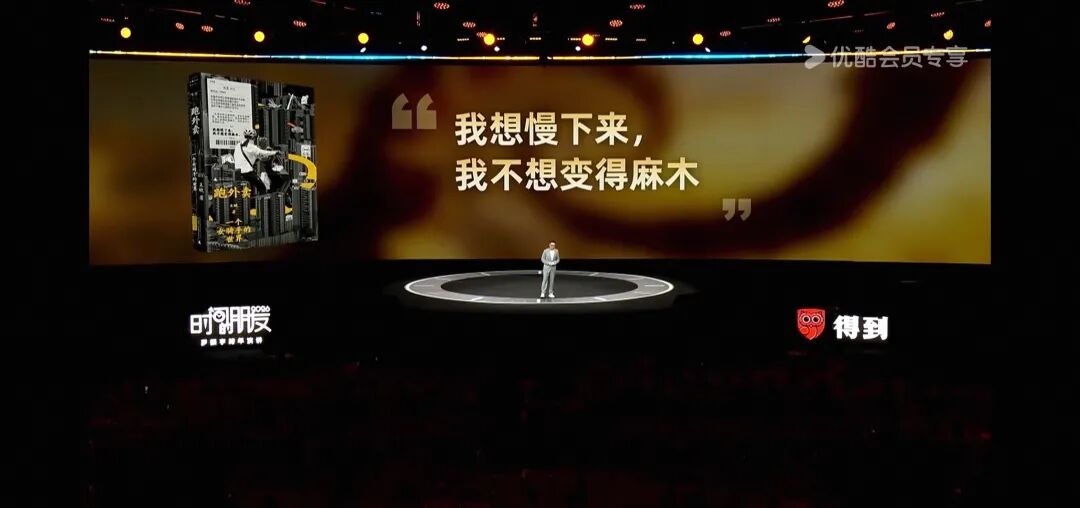
5. 《跑外卖:一个女骑手的世界》
作者:王晚
关键词:女性视角、数字时代、生存尊严
社会纪实,作者本人是女外卖骑手,记录“困在系统里”的真实生存状态、情感与尊严,展现算法之下具体的人的体温,了解世界,不能靠抽象概念,要看见具体的人、共情底层韧性。
罗振宇说:“不要抽象地理解世界,我想通过阅读认识她(作者),我请你和我一起具体地阅读,阅读具体的人,这是对抗AI时代抽象焦虑的最好方式。”
6. 《〈古文观止〉化读》
作者:王鼎钧

关键词:古今贯通、文脉风骨、古典文学
百岁文学大师逐篇解读 《古文观止》,不搞学术考据,而是将古文灵气“化”入现代生活,打通古文与现代汉语,教我们读懂经典、提升表达。既是自我修养,也适合用来给孩子讲古文、传文脉。
罗振宇说:“我计划拿这本书给我女儿讲古文,在AI能生成古文的今天,我们更要学的是文字背后的风骨与生命力。”
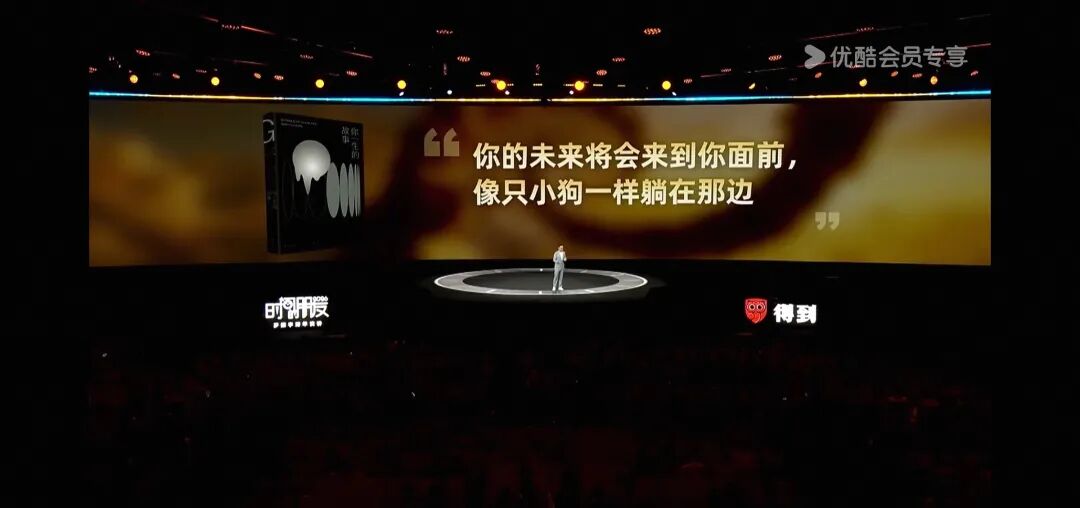
7. 《你一生的故事》
作者:[美] 特德·姜
关键词:科幻、语言思维、自由意志
科幻经典(电影 《降临》原著)。以语言、时间与自由意志的脑洞,帮我们升级思维、迎接未来,科幻是思维训练,应对快速变化的世界。
罗振宇推荐理由:“未来正飞速砸过来,我们的思维得主动迎着它走几步,这本书用科幻思维冲击我们,思考时间、语言与命运,是应对未来的‘思维疫苗’。”
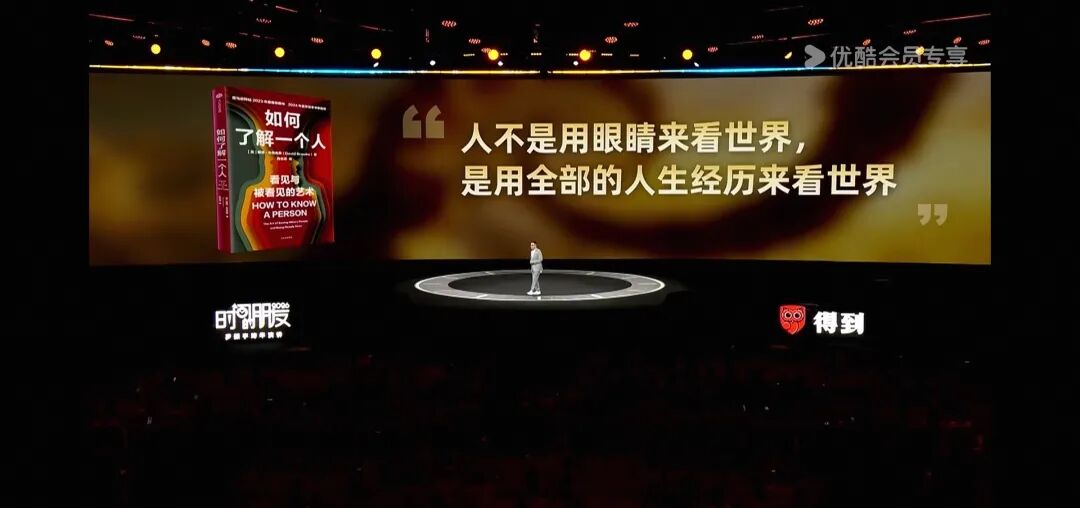
8. 《如何了解一个人》
作者:[美] 戴维·布鲁克斯
关键词:深度连接、无边界知识、人际关系
社会心理学著作,探讨“识人”是一门永无止境的知识,跳出标签,用“三层模型”深度理解他人,AI时代,读懂人心、建立真诚关系是不可替代的核心竞争力。
罗振宇说:“人不是用眼睛看世界,是用全部的人生经历看世界,在AI擅长数据的时代,‘了解一个人’这种无边界知识,才是我们最该深耕的护城河。”
9. 《云彩收集者手册》
作者:[英]加文·普雷特-平尼
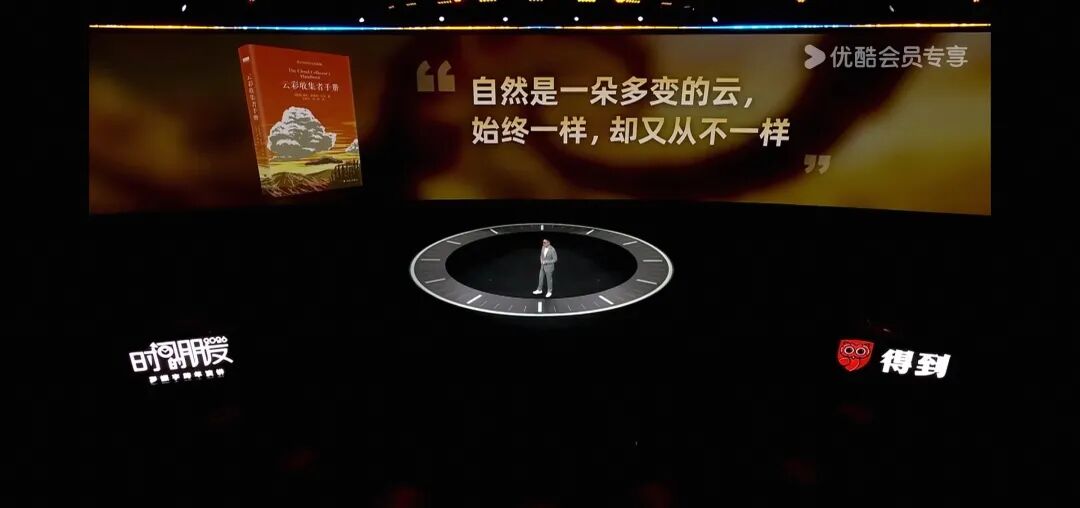
治愈系科普,教我们识别和收集各种云彩(如积云、卷云),在“无用”之事里找快乐,建立与自然世界的诗意联结,逃离一致性,培养AI无法复制的感知力与独特性。
罗振宇:“人要突破一致性,就该读点‘没用’的书,当你叫出一朵云的名字时,你和世界的关系就变得不一样了,这是AI时代的精神留白。”
10. 《像马一样思考》
作者:[美] 格兰特·古利赫
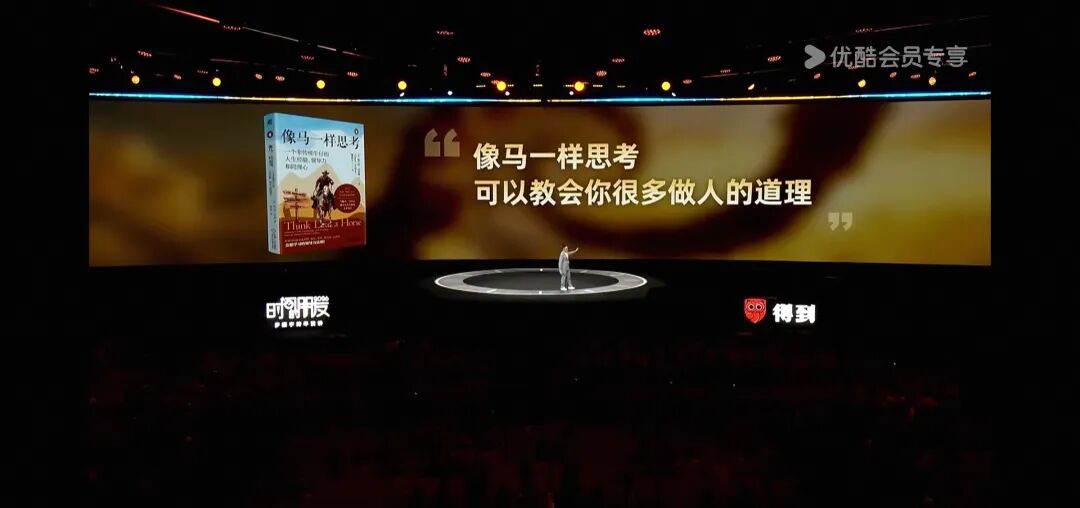
关键词:领导力、信任协作、跨界思维
领导力与沟通著作,借驯马视角(信任、边界、非暴力沟通)重塑人类领导力、人际关系与协作模式,教我们内外一致、真诚待人。
罗振宇:“2026是农历马年,多应景,AI是伙伴不是主人,书中‘温柔而坚定’的协作智慧,正是人机共处的最佳隐喻。”
写在最后
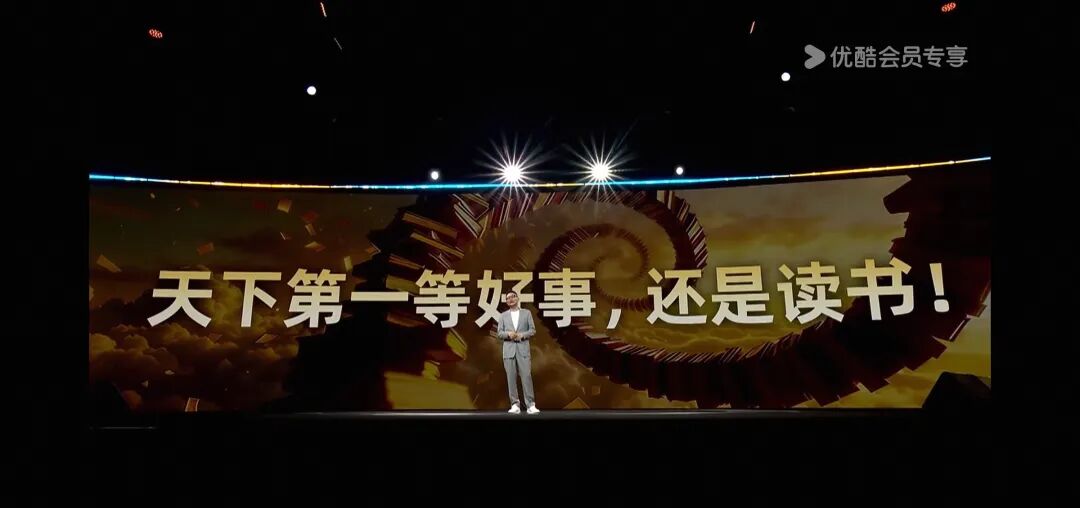
罗振宇在演讲中说:“天下第一等好事,还是读书!”
Luo Zhenyu once said during his annual lecture, "The real growth is hidden in continuous reading."
In today's information-saturated and restless era, a good book is a source of clarity and confidence. The ten books he recommends cover a wide range of topics, from understanding the times and refining oneself to upgrading cognition and calming the mind.
They help us quickly grasp the essentials, avoid detours, and gain insight and strength through reading. With words, we resist anxiety; with thinking, we illuminate life. Here is the list:
1. *The Cracked Cauldron* (Four Volumes)
Author: Xu Xingye
Keywords: Historical fiction, individual fate, patriotism
This Mao Dun Literature Prize-winning historical novel is set against the background of the "Jingkang Disaster" at the end of the Northern Song Dynasty. It helps us understand the vicissitudes of individual fates and national sentiments within the grand historical upheaval, providing a psychological anchor in uncertain times. Highly recommended by Ma Boyong, it is often used as a required reading for history departments.
Luo Zhenyu's recommendation: "Listen to advice, read good books. Strongly recommended by Ma Boyong, this book allows us to find the stability of historical sedimentation in the anxiety of a changing era and see through the resonance between the individual and the times."
2. *Narrative Economics*
Author: Robert Shiller (USA)
Keywords: Story-driven, cognitive authority, economics
Written by a Nobel Laureate in Economics, this book studies how "stories" spread like viruses and drive economic fluctuations, influencing markets, decisions, and choices (such as the real estate bubble). It reveals that narratives are more economically influential than facts, helping us understand the underlying logic of public opinion and the economy.
Luo Zhenyu says: "The power of narrative often surpasses that of facts. AI can process data but cannot create the 'good stories' that drive the economy. This is a foundational work for mastering 'cognitive authority' in the AI era."
3. *In the Light*
Author: Wang You
Keywords: Cumulative science, rational light, long-termism
This history of science reviews four hundred years of human scientific exploration (1543–1957), debunking the myth of "genius emerging out of the blue." It emphasizes that scientific progress is the inevitable result of the accumulation and collaboration of countless people, combating anxiety and illustrating the power of long-term accumulation.
Luo Zhenyu says: "The world was not illuminated by one person; it is the product of accumulation. This book helps us find our place in the 'steadily progressing' chain of AI innovation, refusing the anxiety of quick success."
4. *Encounters*
Author: Wu Hong
Keywords: Visual perception, art history, reading images
This collection of travel notes by an art history expert trains readers in "reading images." It teaches how to rebuild visual perception and develop artistic literacy through encounters with artworks, buildings, and everyday scenes.
Luo Zhenyu says: "We have overcome text illiteracy, but we may have become 'visually blind.' In the era of AI image explosions, Wu Hong teaches us to 'look at things with our eyes,' which is a perception that AI cannot replace."
5. *Running Deliveries: A Female Rider's World*
Author: Wang Wan
Keywords: Female perspective, digital era, survival and dignity
This social documentary, written by a female delivery rider herself, records the true state of survival, emotions, and dignity of those "trapped in the system." It showcases the temperature of real people under algorithms, reminding us that to understand the world, we must see specific individuals and empathize with their resilience.
Luo Zhenyu says: "Don't understand the world abstractly; I want to get to know her (the author) through reading. I invite you to read specifically, to read about specific people. This is the best way to combat the abstract anxiety of the AI era."
6. *A Reading of "Selections from Ancient Prose"*
Author: Wang Dingjun
Keywords: Bridging past and present, literary spirit, classical literature
This centenary literary master interprets each passage of *"Selections from Ancient Prose"* not through academic scrutiny but by infusing the ancient texts with modern life, linking archaic Chinese to modern language. It teaches us to read classics, improve our expression, and serves as both personal cultivation and a guide for teaching children about literary heritage.
Luo Zhenyu says: "I plan to use this book to teach my daughter about ancient literature. In an era where AI can generate ancient texts, we must learn the spirit and vitality behind the words."
7. *Your Life's Story*
Author: Ted Chiang (USA)
Keywords: Science fiction, linguistic thinking, free will
This classic science fiction novel (the source of the film "Arrival") uses thought-provoking ideas about language, time, and free will to help us upgrade our thinking and prepare for the future. Science fiction serves as a training ground for the mind, helping us cope with a rapidly changing world.
Luo Zhenyu's recommendation: "The future is hurtling toward us, and our minds need to take a few steps to meet it. This book uses science fiction to challenge our thinking about time, language, and destiny, acting as a 'thinking vaccine' for the future."
8. *How to Know a Person*
Author: David Brooks (USA)
Keywords: Deep connection, boundless knowledge, interpersonal relationships
This social psychology book discusses "understanding people" as an endless field of knowledge. It moves beyond labels and uses a "three-layer model" to deeply comprehend others, asserting that in the AI era, reading human hearts and building genuine relationships is an indispensable core competency.
Luo Zhenyu says: "People don't see the world with their eyes; they see it with all of their life experiences. In an era where AI excels at data, 'knowing a person' is the boundless knowledge we should cultivate most diligently."
9. *The Cloud Collector's Handbook*
Author: Gavin Pretor-Pinney (UK)
Keywords: The value of uselessness, connection with nature, mental space
This healing and scientific book teaches us to identify and collect various clouds (such as cumulus and cirrus clouds), finding joy in "useless" activities. It establishes a poetic connection with the natural world, helps us escape conformity, and cultivates a sense of perception and uniqueness that AI cannot replicate.
Luo Zhenyu: "To break free from uniformity, people should read 'useless' books. When you name a cloud, your relationship with the world changes. This is the mental space of the AI era."
10. *Thinking Like a Horse*
Author: Grant Golliher (USA)
Keywords: Leadership, trust, interdisciplinary thinking
This leadership and communication book borrows from the perspective of horse training (trust, boundaries, non-violent communication) to reshape human leadership, interpersonal relationships, and collaboration modes. It teaches us to be consistent and sincere.
Luo Zhenyu: "2026 is the Year of the Horse on the lunar calendar, which is very fitting. AI is a partner, not a master, and the wisdom of 'gentle yet firm' collaboration in this book is the best metaphor for human-computer coexistence."
Final Thoughts
Luo Zhenyu concluded his speech by saying: "The finest thing in the world is still reading!"
Original link: https://mp.weixin.qq.com/s/QHIfcSGSqm-xTIHJJeh9eQ