
原文链接:https://mp.weixin.qq.com/s/tzBXVz0DNj70Tg6LNz865A

-
国内宣传连续阅读10小时或碎片化7天。 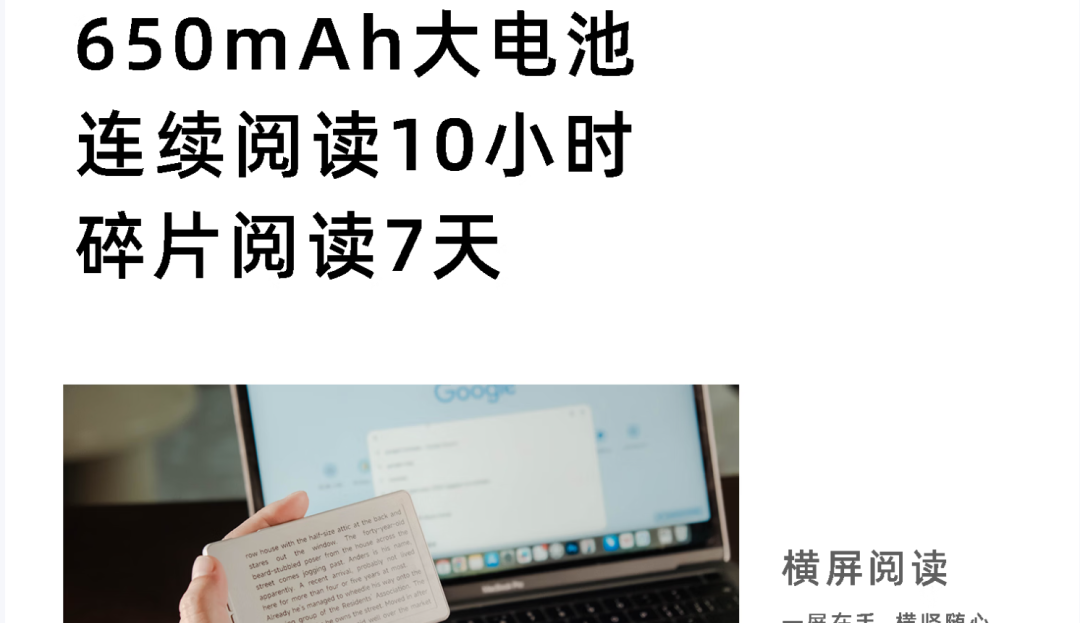
-
国际官网说每天1~3小时能撑14天。 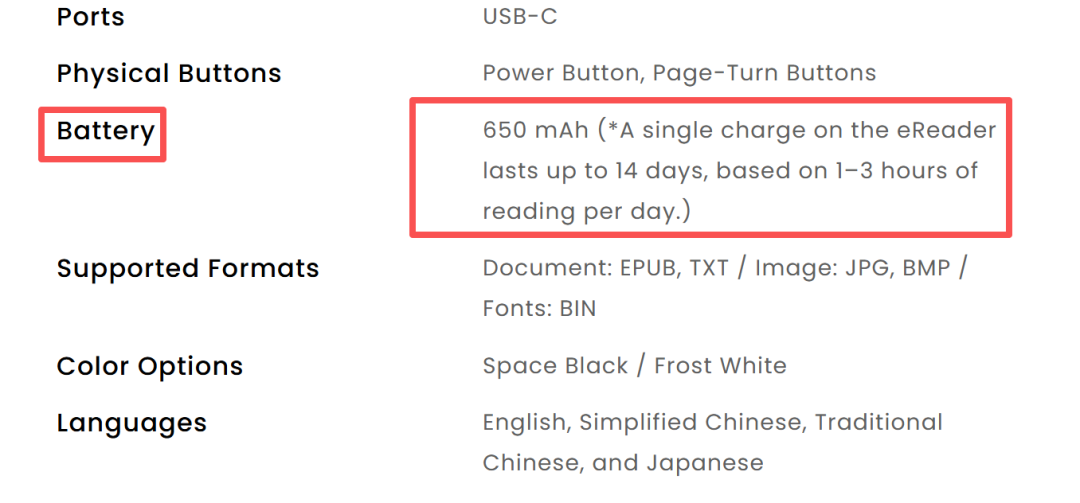
-
亚马逊官网的小字里写的是重度使用仅2天。 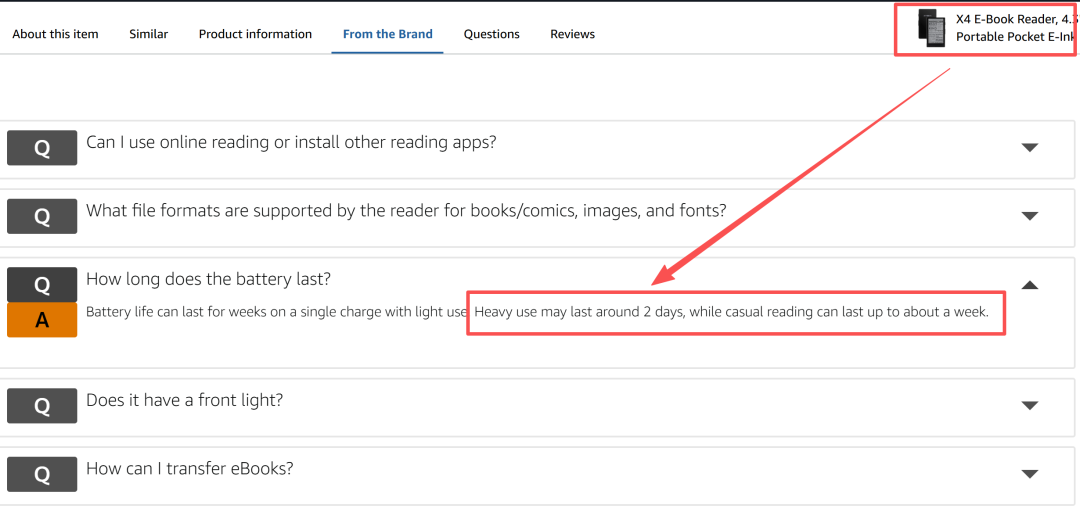
Original link: https://mp.weixin.qq.com/s/tzBXVz0DNj70Tg6LNz865A
The inflated specs exposed by Yuexingtong, the play-dead style responses, and even that deeply ironic signed-message meme—every step landed precisely on the script I had written in advance.
Today, let's set emotions aside and focus only on actual measurements: What is the real foundation of the Yuexingtong X4?
Absurd spec: 400KB VS 128M
First, look at the heavy misleading spec that sparked outrage: the RAM.
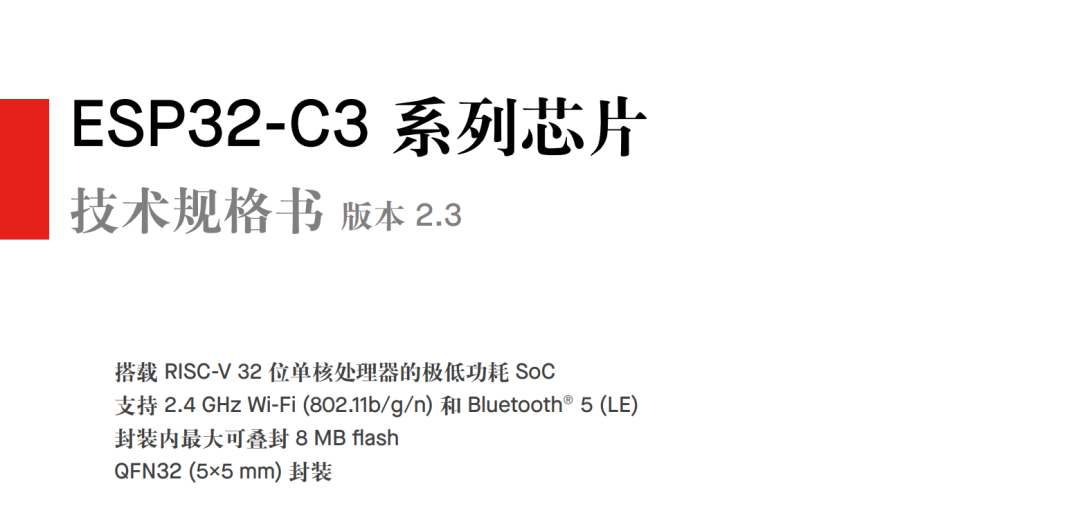
The X4 uses Espressif's ESP32-C3 chip.
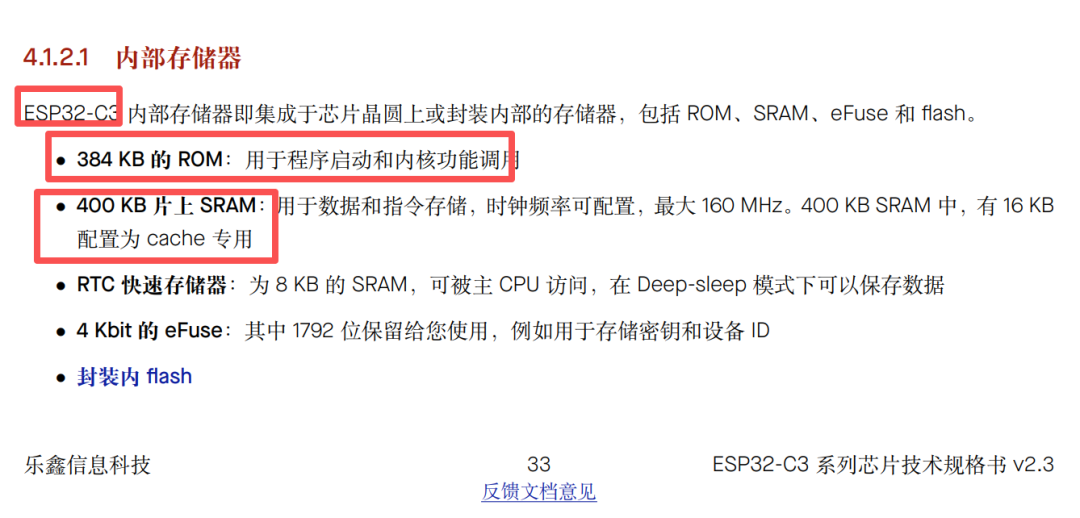
According to Espressif's official technical datasheet:
https://documentation.espressif.com/esp32-c3_datasheet_cn.pdf
This chip's actual RAM (SRAM) is only 400KB, yet Yuexingtong prominently advertises 128M on its official product page.
What do 400KB and 128M mean? A 327x gap.
Modern smartphones easily start at 6GB, and many younger users probably haven't seen an electronic product measured in KB in years. By that math, the gap compared with mainstream phone RAM is 15,728x.
The official response dismisses it as a "mistake," but technically, that doesn't hold up.
Even a kid knows that grabbing Mom or Dad's phone with more RAM makes games run smoother. RAM is the psychological anchor for a user's purchase decision—it isn't just important, it's the single most important factor. Nobody denies that phones with different RAM amounts have wildly different prices, right?
When you write firmware and optimize caching based on 400KB, as a developer you know exactly where the hardware's limits lie.
At its core, this chip is designed for small home appliances like rice cookers, washing machines, and smart sockets. Its contract price is even less than 7 yuan. (You can guess the actual cost yourself.)
Under a logic of extreme cost-cutting, expecting it to deliver a smooth reading experience is like building a villa on top of a unicycle.
The screen math problem: The truth about 219 PPI
Now let's look at the screen.
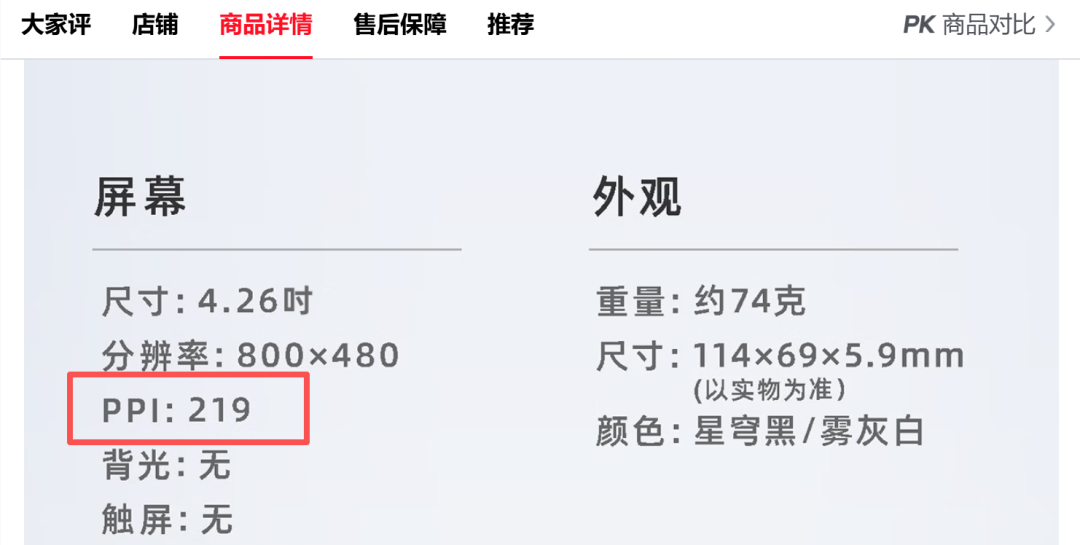
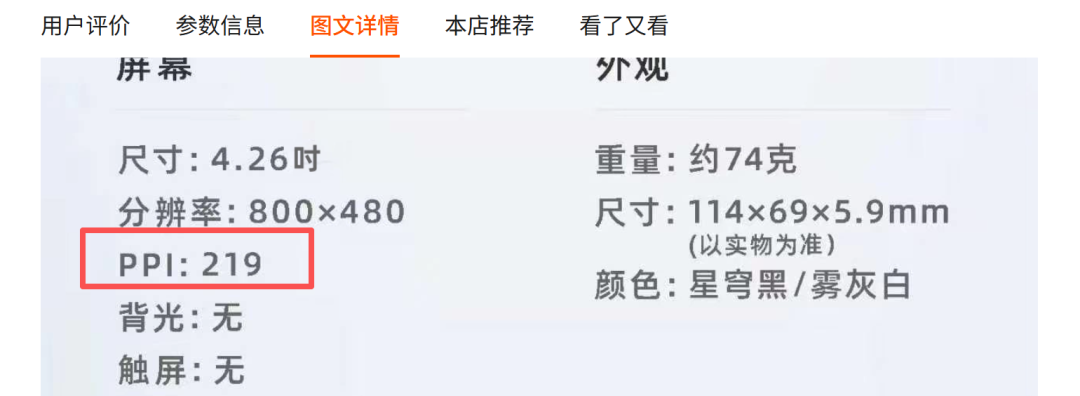
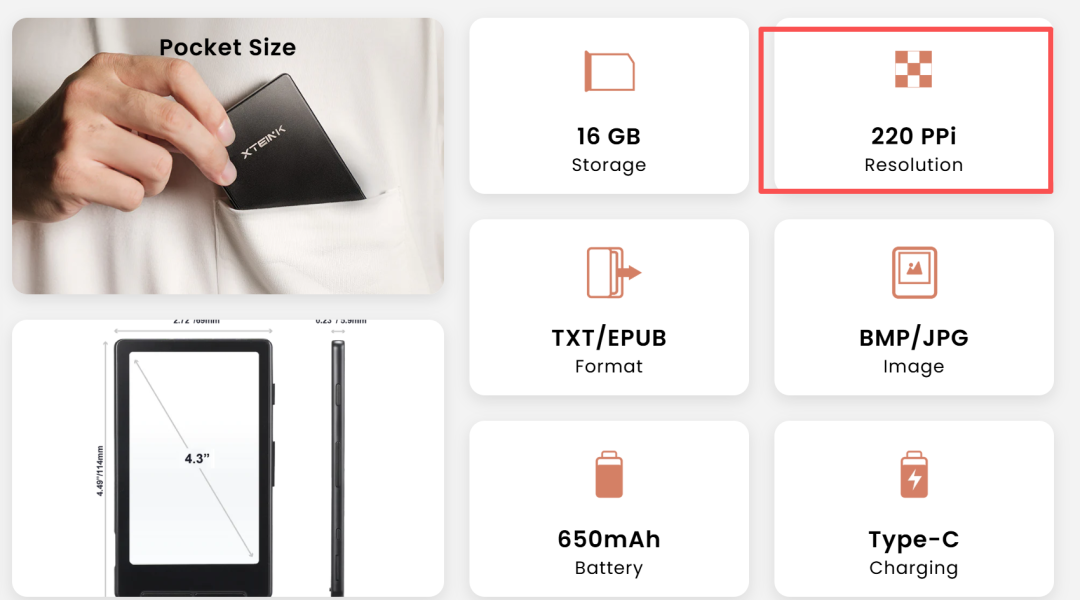
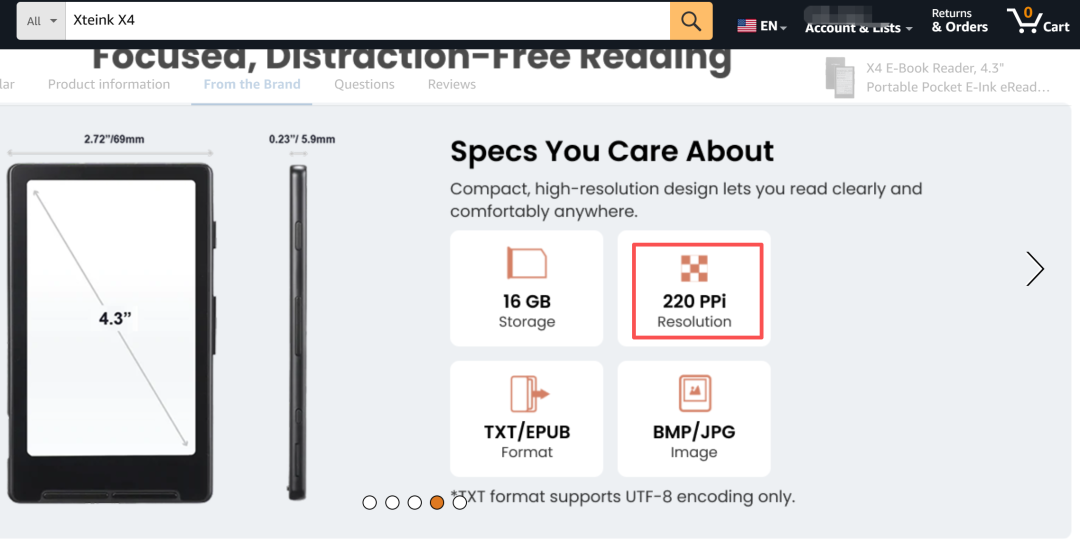
JD.com and Taobao list it at 219 PPI.
The overseas official site and Amazon list it at 220 PPI.
It's the same screen, and they can't even keep the spec consistent worldwide.
According to a teardown report on GitHub:
https://github.com/CidVonHighwind/xteink-x4-sample
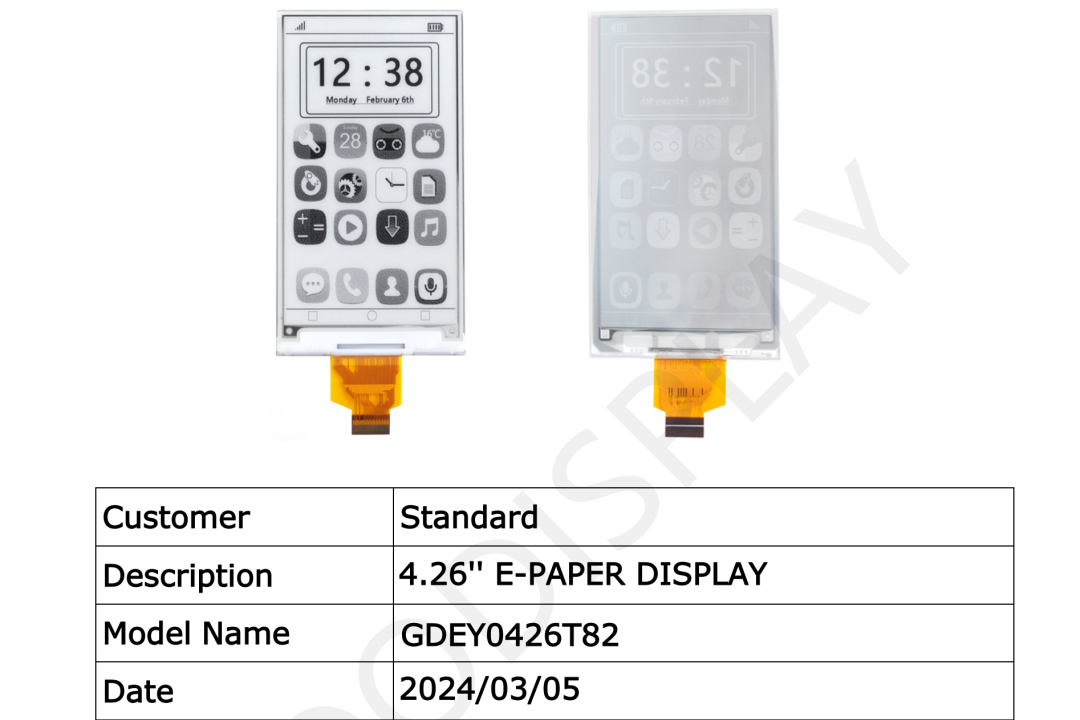
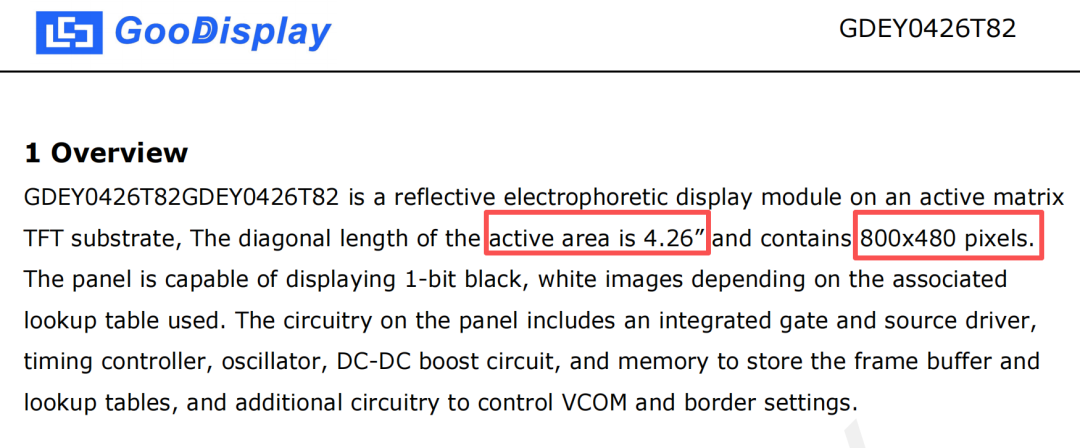
The screen model is GDEQ0426T82, manufactured by Dalian Good Display.
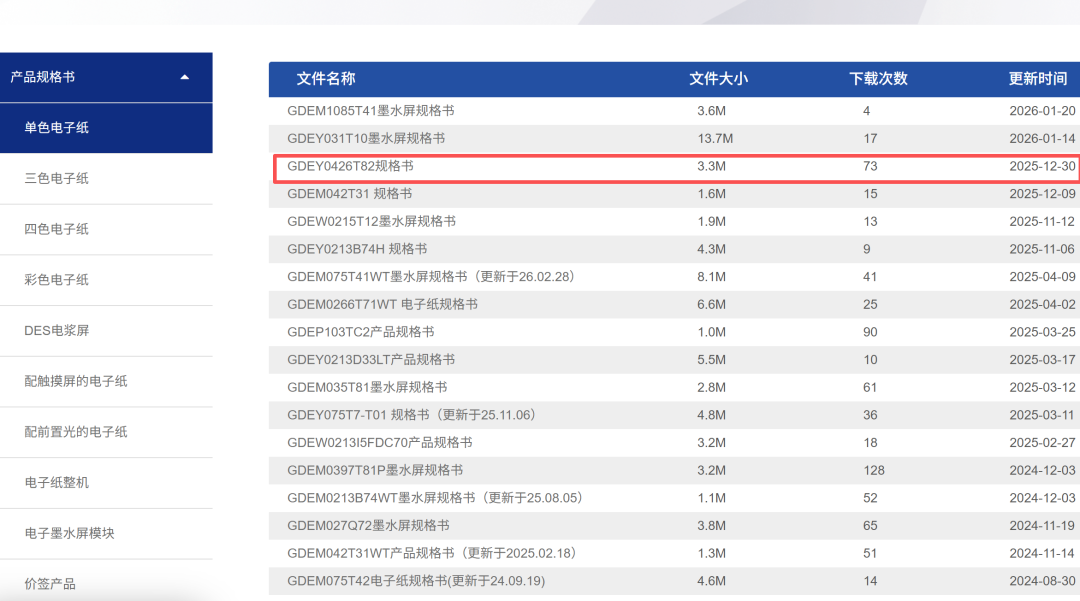
GDEY0426T82 datasheet link:
https://www.good-display.cn/companyfile/14/
Let's do a rigorous calculation.
The datasheet shows an active display diagonal of 4.26 inches and a resolution of 800×480 pixels.
Sum of pixel squares: 800² + 480² = 640000 + 230400 = 870400
Total diagonal pixels: √870400 ≈ 932.952303 pixels
Final PPI: 932.952303 ÷ 4.26 ≈ 219.002888 PPI
I can be precise to six decimal places, but Yuexingtong doesn't seem to appreciate that kind of rigor.
The core of an e-ink screen is display, and the lifeline of display is grayscale.
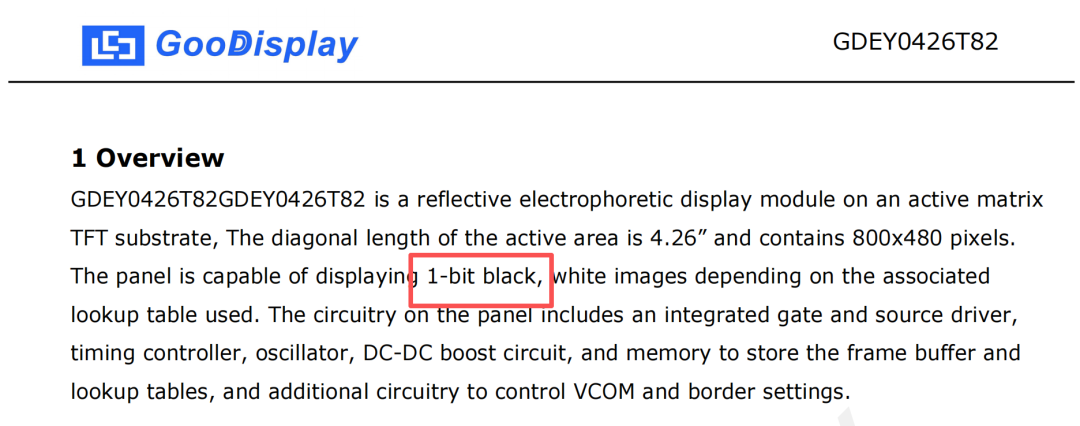
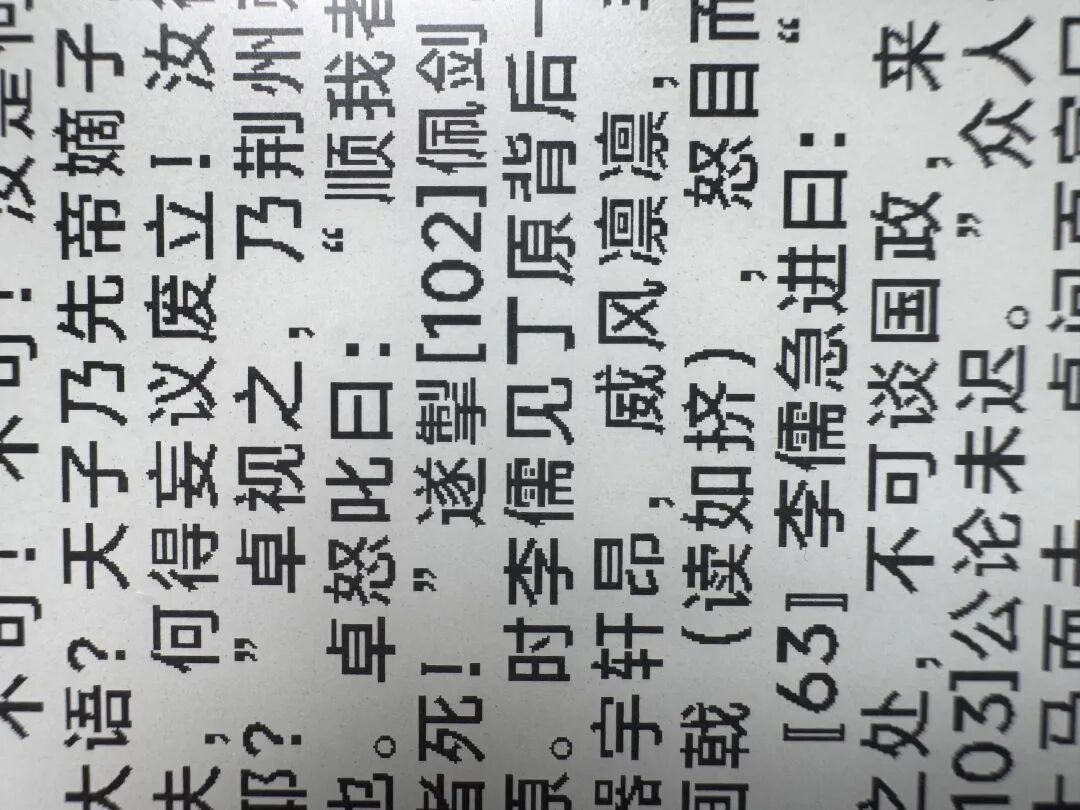
The Yuexingtong X4's screen module natively supports only 1-bit black-and-white display. Its so-called 4-level grayscale is faked through two 1-bit refreshes plus dithering algorithms.
That's why so many users report that the jagged edges are too obvious.
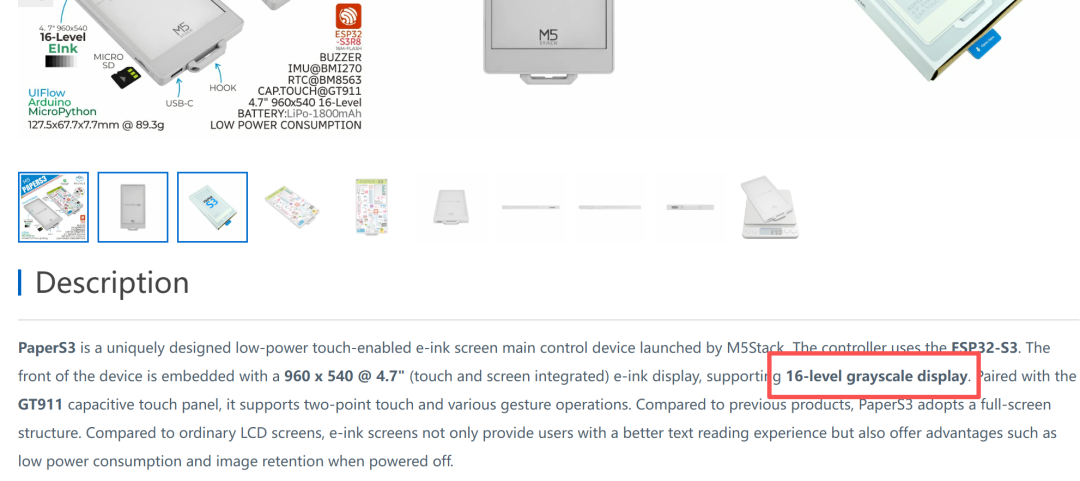
Compare that with the similarly hyped "little gadget" e-ink screen Paper S3, which has true 16-level grayscale. A congenital hardware disability cannot be saved by any software patch.
While major manufacturers have already made 256-level grayscale compensation common, these "little gadgets" are still struggling with 1-bit black and white while trying to squeeze into the e-reader market.
Misunderstood elegance: The illusion of magnetic attachment and battery life
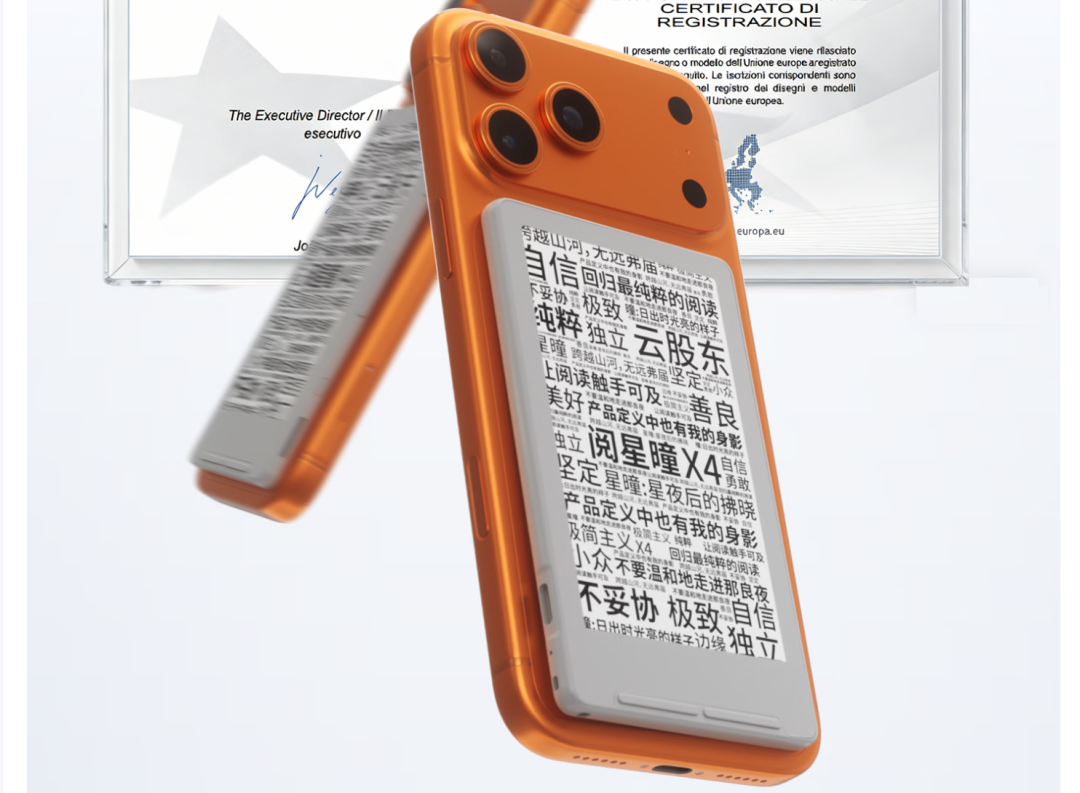
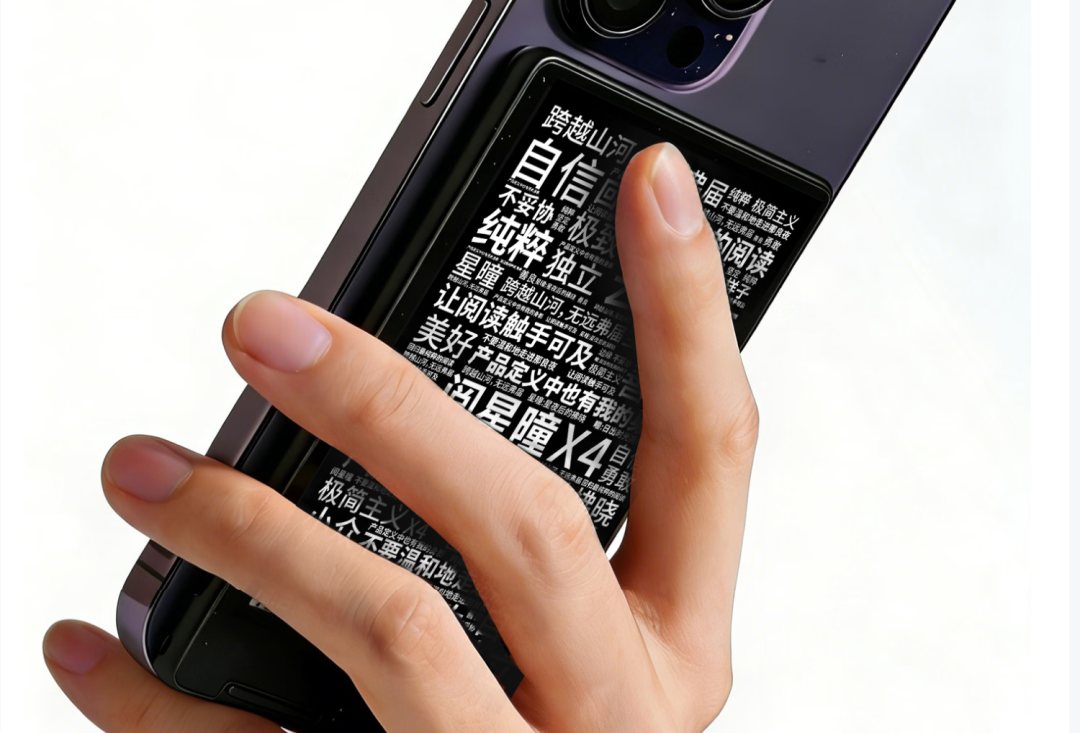
In the promotional images, the X4 magnetically attached to the back of an iPhone looks extremely elegant.
But the actual in-hand experience can only be described as bizarre.
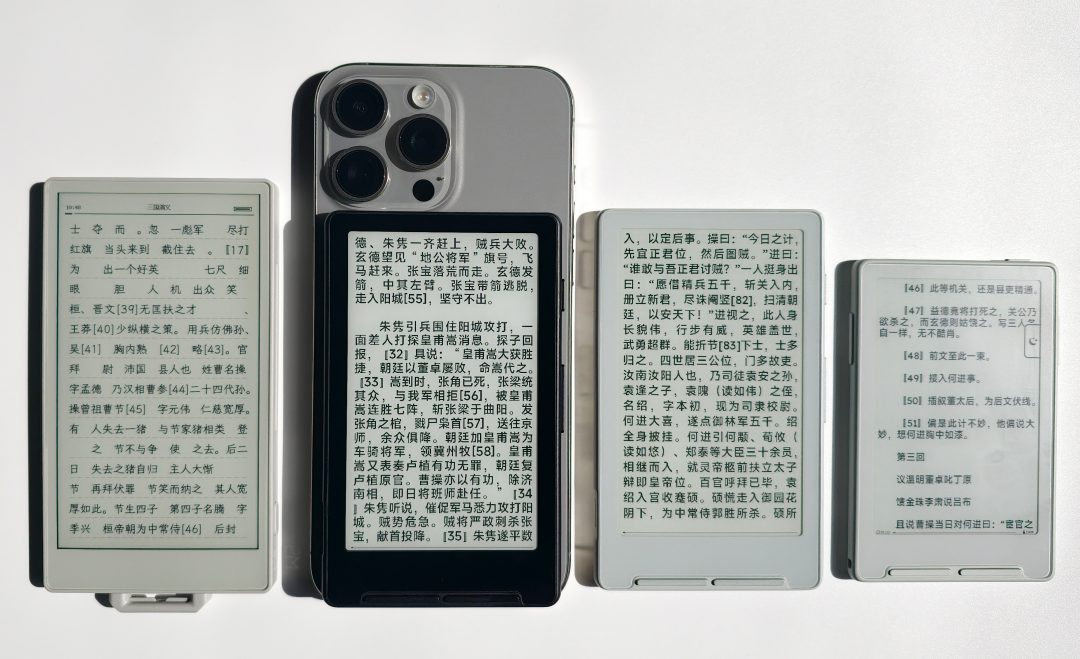
Because it's narrower than the phone, after attaching, there is an offset of about 4mm along the edge.
When you try to press the side page-turn button, your thumb has to maintain an anti-ergonomic angle. And if you press the bottom page-turn button, the combined center of gravity of the phone plus the device presses down on you.
If you use a Chinese flagship camera phone instead, the huge camera module leaves about a third of the X4 hanging in mid-air.
Battery life is even more of a Rashomon.
Domestic marketing claims 10 hours of continuous reading or 7 days of fragmented use.
The international official site says 1–3 hours per day can last 14 days.
Amazon's fine print says only 2 days under heavy use.
Same as what’s labeled on the screen—same product, but different platforms and different wording. I can’t say you’re wrong, but I’m totally confused. For the real battery life, users have to convert and add it up themselves.
This battery compromise for the sake of thinness and lightness is essentially caused by the low-power chip's excessive instantaneous power draw when driving e-ink page refreshes.
Fatal flaw: Text fading in sunlight
The most baffling design flaw is that the Yuexingtong X4 is afraid of light.
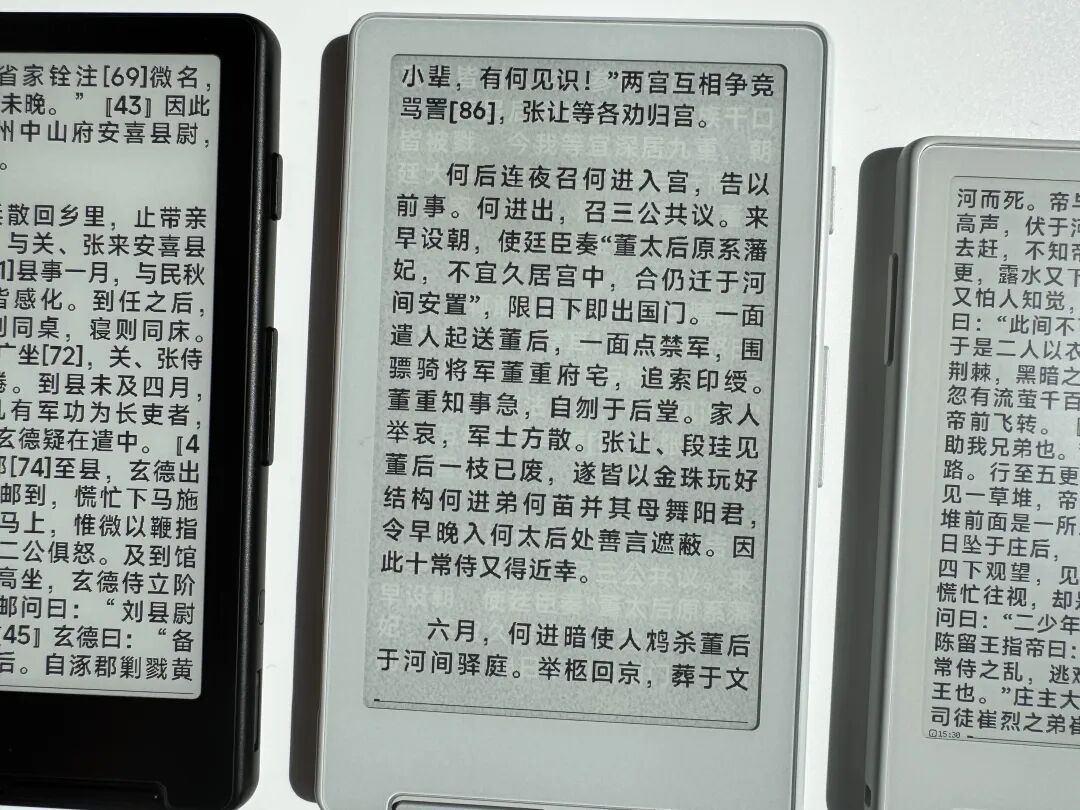
Under direct sunlight, the on-screen text quickly fades.
The official response sounds more like a bad joke: it will recover if you avoid UV rays, or you can cover the chip area with your finger.
Here is the original text of Yuexingtong's official reply, which I quote verbatim: "When the X4 fades in sunlight, the screen will recover once it avoids UV rays~ There's a little trick to improve the fading caused by UV exposure: cover the area slightly above the front button (the chip location) with your finger, which will help with the fading. That's why the black model performs better than the white one. The fading is indeed a compromise made for lightness and battery life by using a low-power chip. We will continue to improve our products. Thank you for your support, students!"
That "little trick" from Yuexingtong is truly "brilliant." They chose a low-power chip for thinness and battery life, yet expect users to adapt in sunlight.
If this statement came from traditional giants like Kindle, Kobo, BOOX, iReader, Hanvon, iFlytek, Bigme, or Moaan, they'd probably be torn apart by critics!!
Some quick thinkers might immediately realize: Hey, this thing could be used as a UV detector! Win!
Cold reflection
The entry of these "little gadgets" hasn't brought innovation—it has dragged the e-ink track back to the lowest level of software and hardware quality.
The specs users fought so hard to force major manufacturers to upgrade have all become tolerable flaws here: inflated specs are tolerable, jagged text is tolerable, hardware defects are tolerable, terrible systems are tolerable. (If a competitor hadn't stirred things up, even the advantage of a low price would be gone—the new S4 was trying to sell for over 400 yuan.)
This kind of distorted tolerance is, in essence, indulgence toward garbage hardware.
Now that I've covered the flaws, let's talk about the strengths: light and thin.
That's it. Those are the only two strengths.
If you truly prioritize thinness and lightness, and are willing to overlook all the flaws above for the sake of a few sheets of paper in thickness, then the white version is the only choice.
The white bezel visually makes the screen look larger, so it doesn't feel as cramped as the black version.
But I still stand by my view: Reading is a serious matter.
You can pursue fragmentation, but you should not pursue degradation.
When an electronic product has to rely on signed-message emotional value to cover up fake specs, and when the company's values treat that as acceptable behavior, then it isn't far from total collapse. It's already 2026. On this land of China, what scene haven't users seen? The era of "fools and their money" is over! Only products built on sincerity can go further. This "dark history" can't be erased. If the company honestly faces users' rights-protection demands, it might still turn things around! Otherwise, a bigger backlash is coming. Once users look at every future product from a company with "wariness," the cost of "explaining" yourself as a company becomes far too high. Besides, e-ink readers are not a necessity. Fans can turn into passersby in an instant.
Maybe Steve Jobs was right: people who love reading are a minority, and among those, people who love reading on e-ink readers are an even smaller minority.