


当厂家在海外赚到了钱,就意味着他们在供应链端拥有了更高的议价权,这最终会反馈到国内产品的定价和配置上。
海外用户对系统稳定性和软件生态的要求极高,这会迫使厂商加快系统打磨速度,而不是只管发新机,把老设备晾在一边吃灰。
以前代购是把国外的好东西往国内搬,现在反过来了,很多留学生开始从国内进货,往国外卖,赚取其中的利润差。这不仅是一门生意,更是一种文化输出。
I wrote an article a while back, starting from the second half of 2025,
counting carefully, at least 10 brands have already broken into the overseas market, which was once exclusively occupied by Kindle.
I wonder if they are all collectively stimulated by BOOX. After all, BOOX is making a fortune overseas, to the point that they barely bother releasing any decent new products domestically this year. They just take the old molds, tweak them a bit, and put them up for sale again.
The scale and speed of this wave of overseas expansion have truly caught many foreigners off guard.
This collective overseas push by domestic e-ink screens brings 4 pieces of good news for foreigners:
1. They no longer have to endure the closed and single-functioned system of Kindle. The Android open ecosystem offers a qualitative leap in reading freedom.
2. They are also saying goodbye to the hassle of finding proxy buyers and shipping. The purchase process is now simple and direct.
3. After-sales service is finally in place locally.
4. The design aesthetics brought by Chinese manufacturers are freeing them from the "clumsy, big, black, and rough" traditional appearances, giving them more options in white, beautiful-looking devices.
The bad news is also very direct: these Chinese e-ink screen manufacturers are selling their products at very high prices.
I specifically checked the real-time prices on several mainstream platforms and double-checked them.
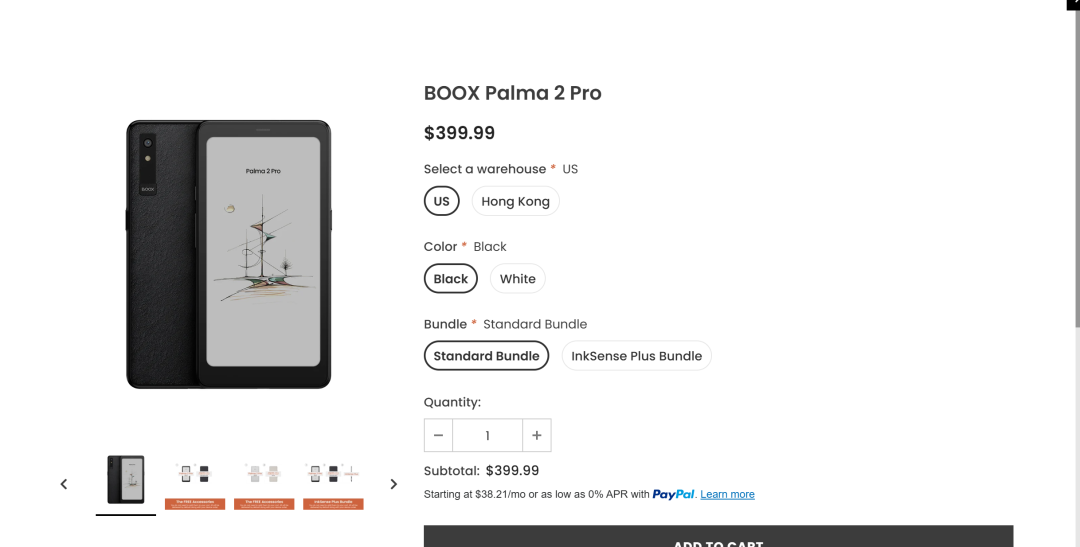
The conclusion is: most domestic flagship products are priced so high overseas that it makes foreigners used to cheap Kindles feel the pain.
Take the most direct example, the Yuexintang X4 model.
In China, I believe everyone can get it on Pinduoduo for just over 200 yuan, with extreme discounts even below 200 yuan.
But if foreigners want to buy it, the overseas price is $69, and that's just the bare device, not including shipping.
I always emphasize that when looking at overseas prices, don't simply convert them using the exchange rate. The numbers you get often create a false impression of the cost of living.
We need to look at the price anchor of similar products.
On Amazon, the Kindle Youth Edition usually sells for $79.99 during promotions.
Then let's calculate for Yuexintang: a $69 bare device, and you'd definitely need a protective case, right? A case is another $9.
Add it all up, and the total price jumps to $78, and this is without shipping fees.
It's not just small brands; the big players are doing the same.
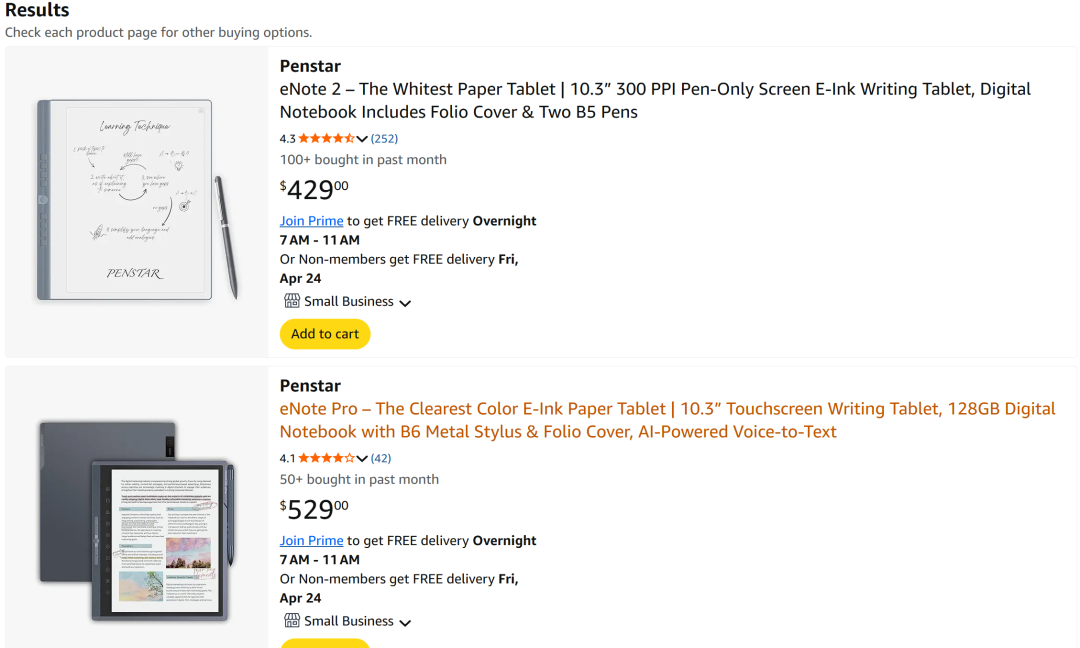
The sub-brand used by Hanwang overseas is called Penstar, and its pricing is high-end, not cheap at all.
The situation with BOOX and Zhangyue iReader is similar. There is a very significant overseas price premium.
This phenomenon actually reflects the confidence of domestic e-ink manufacturers.
They are no longer competing based on low prices. Instead, they are seizing the mid-to-high-end market by iterating on features and offering differentiated designs.
And large-scale overseas expansion by domestic manufacturers brings several solid benefits for e-ink users in China:
1. It spreads out the research and development costs. When manufacturers make money overseas, they gain higher bargaining power in the supply chain, which will eventually be reflected in the pricing and configuration of domestic products.
2. It drives system optimization. Overseas users have very high demands for system stability and software ecosystems, which forces manufacturers to speed up system refinement rather than just releasing new devices and leaving old ones to collect dust.
3. It benefits the group of international students. In the past, proxy buying was about bringing good things from abroad into China. Now it's reversed; many international students are buying from China and selling them abroad, earning a profit margin. This is not just a business but also a form of cultural export.
The overseas push of e-ink screens is not just commercial competition; it is a comprehensive overflow of the capabilities of China's electronic paper industry chain.
When we enjoy the most competitive and cost-effective e-ink products domestically, we should also see the deeper logic behind this wave: only by establishing a foothold in the global market will the second half of domestic e-ink screens have more potential.